About Melissa Boyacı

This author has not yet filled in any details.
So far Melissa Boyacı has created 263 blog entries.

Turnkey Refugee Camps: Water, Energy, and Housing Integrated Solutions

2025-12-26T09:58:45+03:00

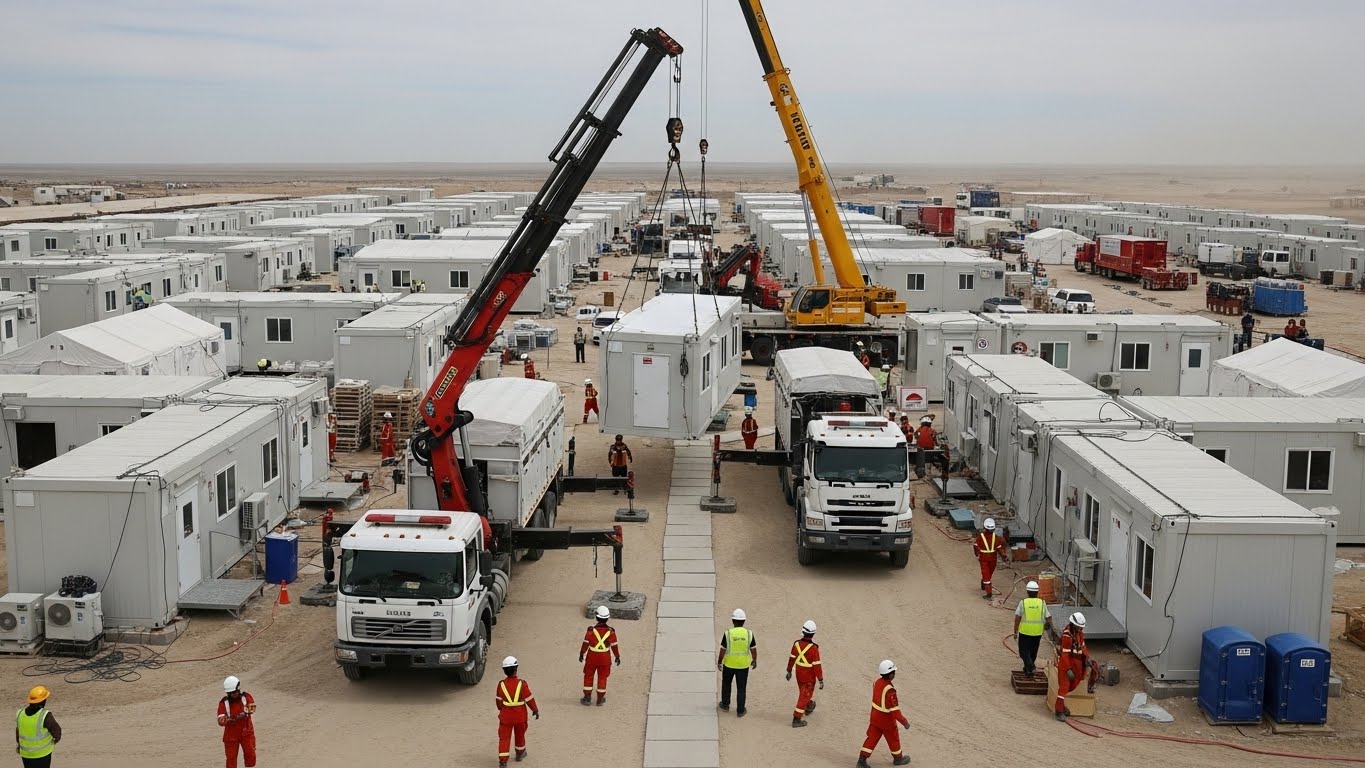
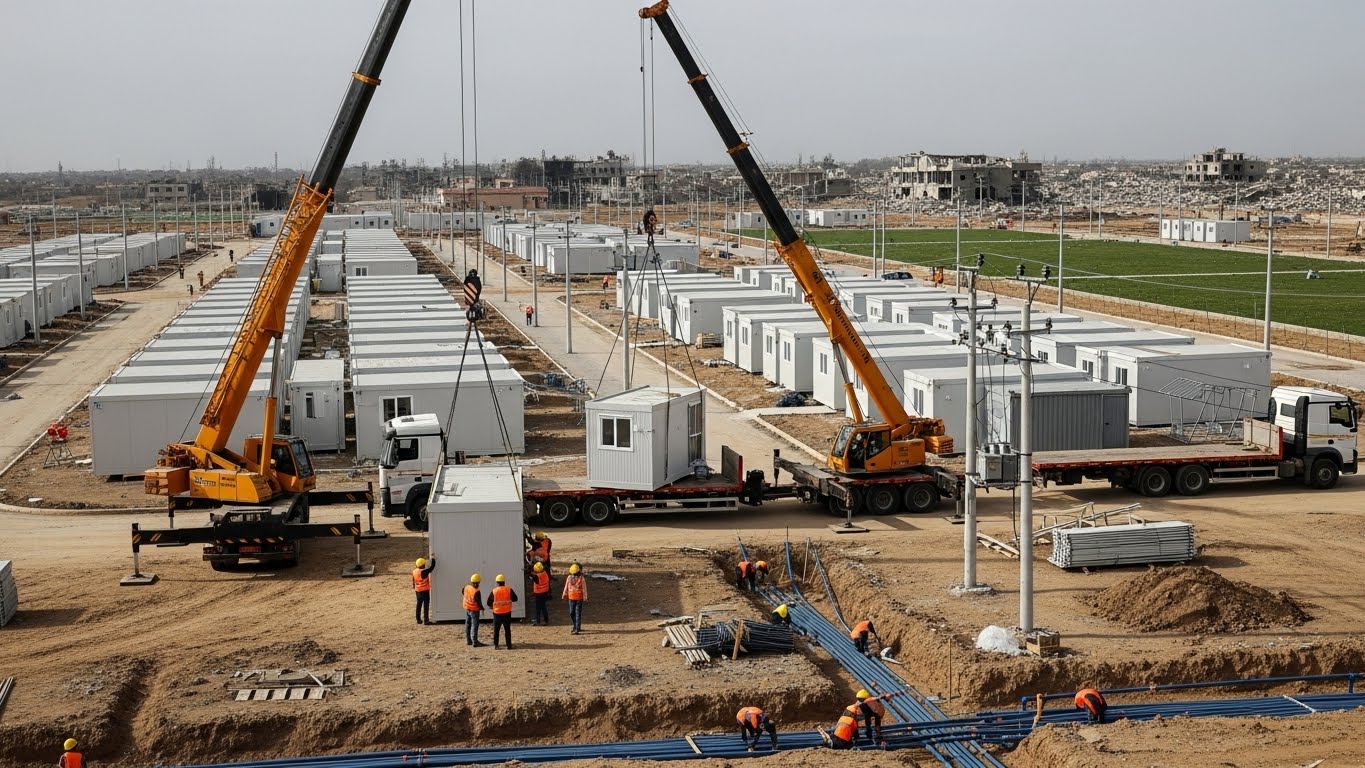
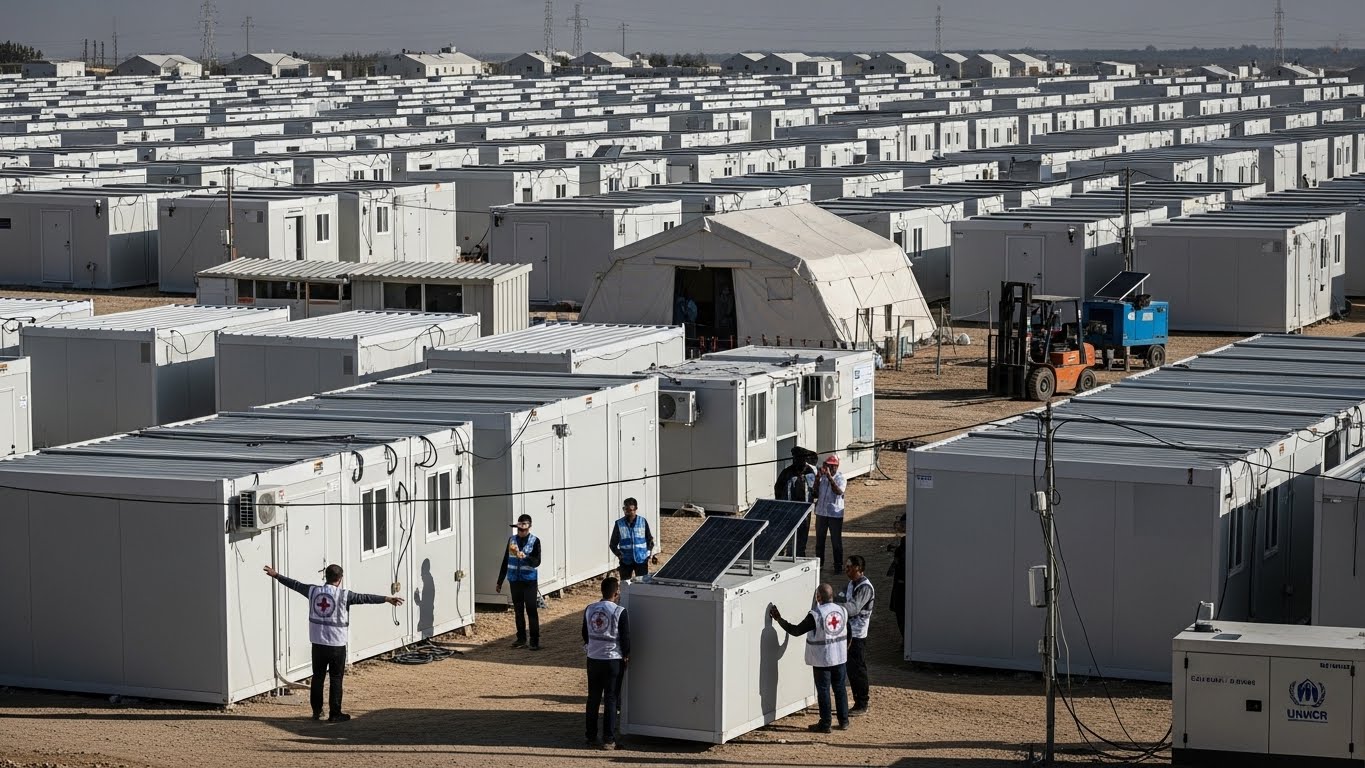
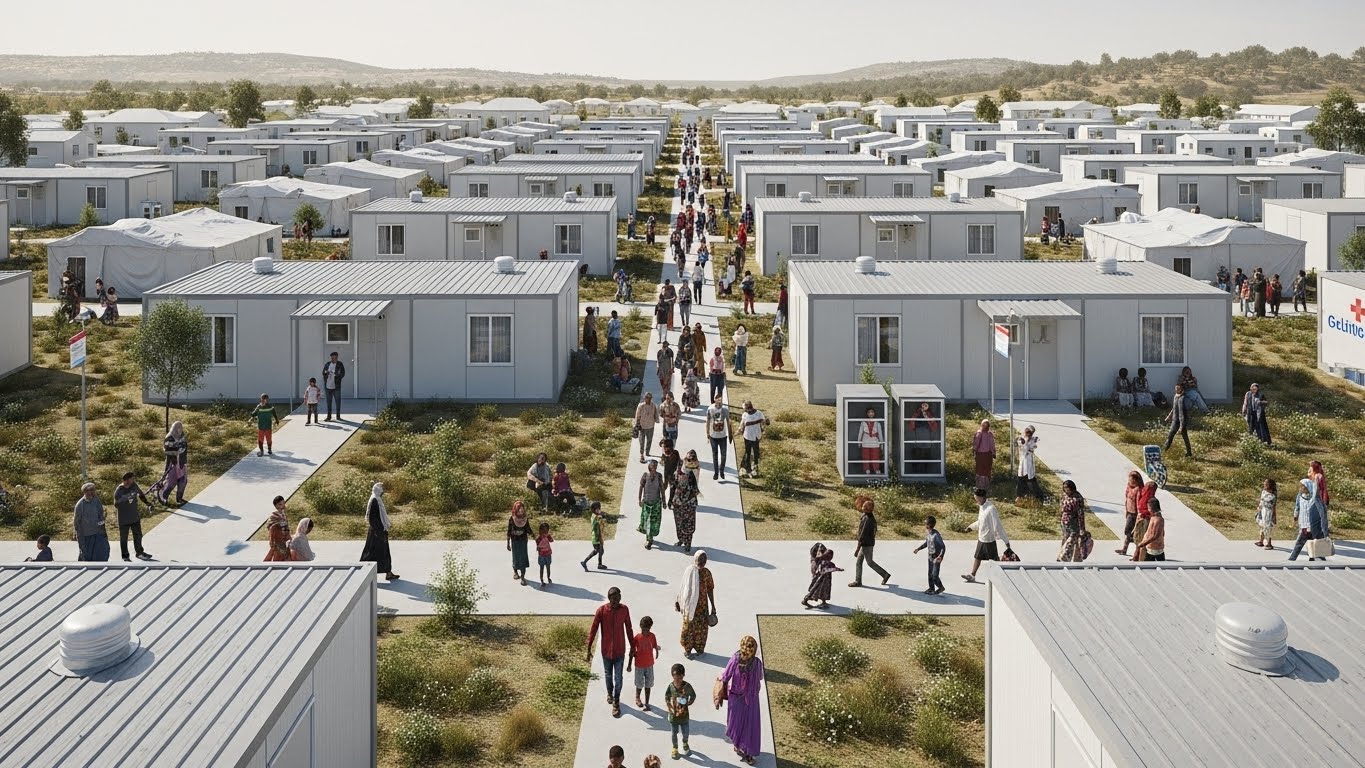
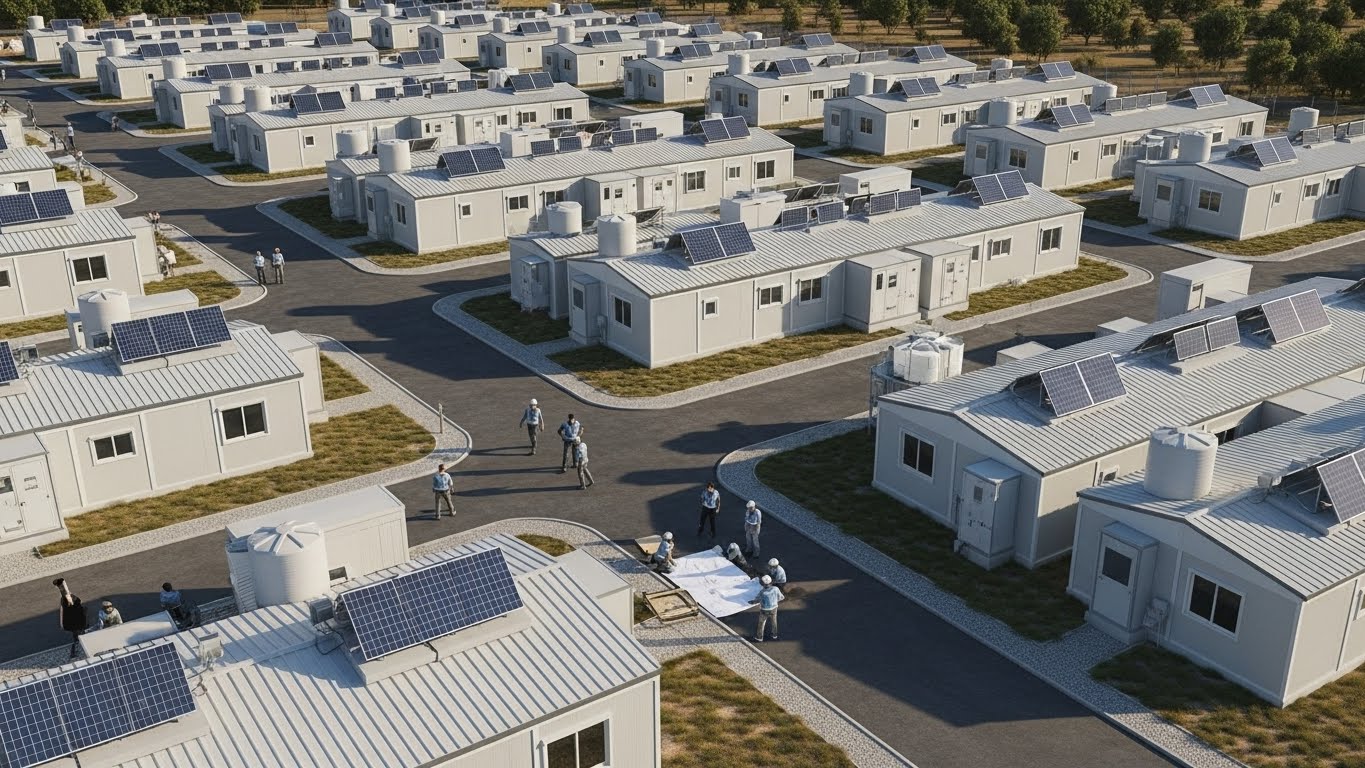
Turnkey Refugee Camps: Water, Energy, and Housing Integrated Solutions Large scale displacement crises demand more than isolated shelter solutions. Refugee camps must function as complete living environments from the first day of deployment, providing safe housing alongside reliable water supply, energy systems, and sanitation infrastructure. When these elements are delivered separately, camps often face operational failures, health risks, and rapid deterioration. A turnkey approach that integrates water, energy, and housing into a single coordinated system has become the most effective model for building resilient, scalable refugee camps under urgent conditions. What does a turnkey refugee camp mean? A turnkey refugee camp is a fully integrated settlement delivered more..
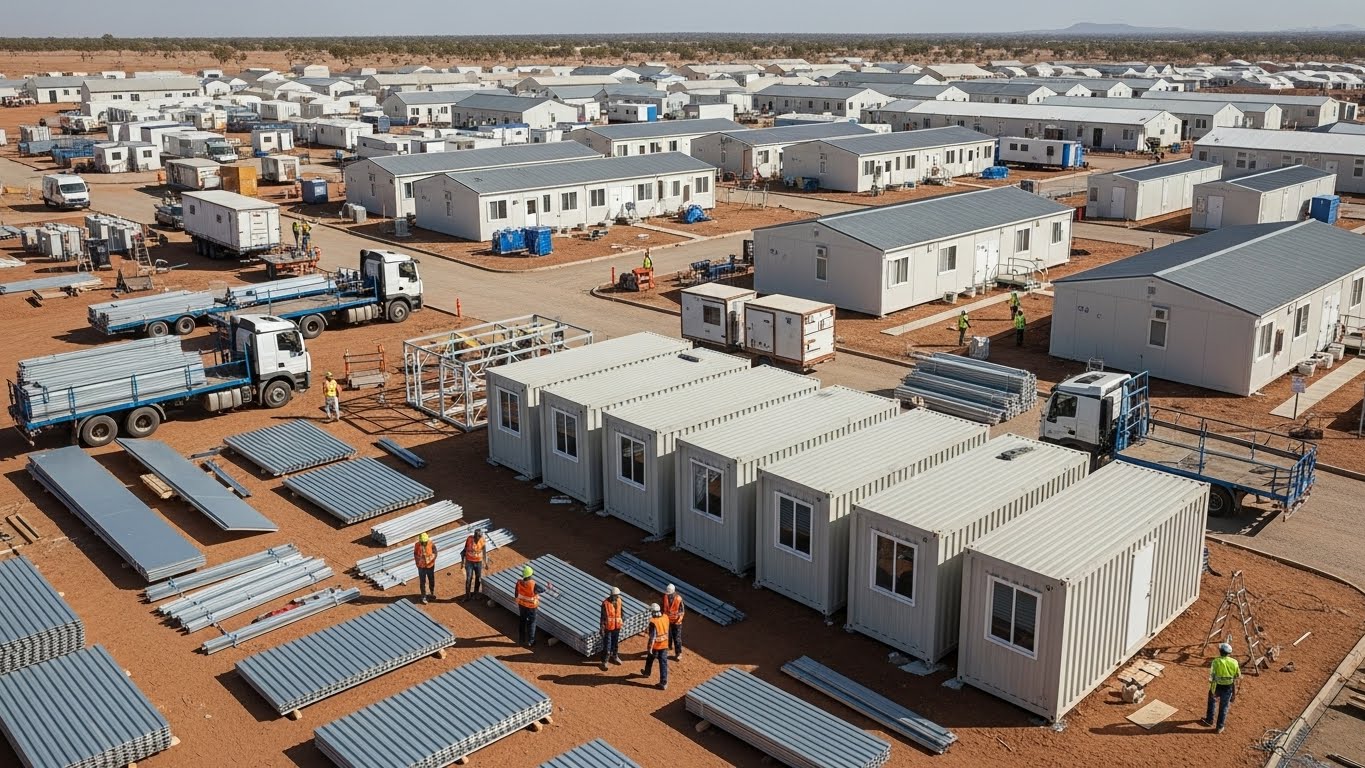
Turnkey Refugee Camps: Water, Energy, and Housing Integrated Solutions2025-12-26T09:58:45+03:00

Flat-Pack Containers vs. Prefab Buildings: Choosing the Right Solution for Aid Camps

2025-12-26T09:55:43+03:00

Flat-Pack Containers vs. Prefab Buildings: Choosing the Right Solution for Aid Camps  Humanitarian aid camps must be deployed fast, operate reliably, and adapt to changing conditions. Selecting the right building system is a strategic decision that directly affects logistics, speed of deployment, living conditions, and long term operability. Flat-pack containers and prefab buildings are two of the most commonly used solutions in aid camps, yet they serve different operational priorities. Understanding their strengths and limitations helps humanitarian actors choose the most effective system for each mission. What are flat-pack containers and prefab buildings? Flat-pack containers are modular units shipped in disassembled form. Walls, floors, roofs, and structural elements are more..

Flat-Pack Containers vs. Prefab Buildings: Choosing the Right Solution for Aid Camps2025-12-26T09:55:43+03:00

From Production to Installation: Managing Logistics in Hard-to-Reach Areas

2025-12-26T09:52:00+03:00

From Production to Installation: Managing Logistics in Hard-to-Reach Areas  Delivering construction projects in hard to reach areas is one of the most demanding challenges in emergency response, humanitarian aid, and remote infrastructure development. These locations often suffer from limited access roads, damaged transport networks, security restrictions, extreme climates, or complete isolation from established supply chains. In such environments, success depends not only on what is built, but on how efficiently materials move from production facilities to final installation. Managing logistics from production to installation becomes a strategic discipline that directly determines project speed, safety, and overall feasibility. What does logistics management mean in hard-to-reach areas? Logistics more..

From Production to Installation: Managing Logistics in Hard-to-Reach Areas2025-12-26T09:52:00+03:00

72-Hour Deployment: Mobile & Modular Units for Emergency Relief

2025-12-26T09:45:06+03:00

72-Hour Deployment: Mobile & Modular Units for Emergency Relief  In the first hours following a disaster or humanitarian crisis, time becomes the most critical resource. Access to shelter, sanitation, medical support, and operational facilities within the first seventy two hours can determine survival rates, public health outcomes, and the stability of affected communities. Mobile and modular units are specifically engineered to meet this narrow response window. By combining off site manufacturing with logistics driven design, these systems enable emergency relief operations to move from decision to deployment at unprecedented speed while maintaining safety and functional integrity. What is 72 hour deployment in emergency more..

72-Hour Deployment: Mobile & Modular Units for Emergency Relief2025-12-26T09:45:06+03:00

Post-Disaster Reconstruction in Conflict Zones: Lessons from The Middle East & Europe

2025-12-26T09:39:08+03:00

Post-Disaster Reconstruction in Conflict Zones: Lessons from The Middle East & Europe Rebuilding after a disaster is complex in any setting, but in conflict zones the challenge multiplies. Damaged infrastructure, disrupted supply chains, security constraints, population displacement, and limited governance capacity turn reconstruction into a high risk, high urgency operation. Across the Middle East and parts of Europe, repeated crises have shown that success depends on more than construction speed. It requires disciplined planning, resilient delivery methods, standards based quality, and infrastructure first thinking. Modular and prefabricated systems have become increasingly relevant because they reduce on site exposure, accelerate more..

Post-Disaster Reconstruction in Conflict Zones: Lessons from The Middle East & Europe2025-12-26T09:39:08+03:00

Emergency Settlement Infrastructure in Syria: A Turnkey Approach

2025-12-26T09:27:06+03:00

Emergency Settlement Infrastructure in Syria: A Turnkey Approach Years of conflict and displacement in Syria have created a long term need for emergency settlements that go far beyond temporary shelter. Large populations require safe housing, reliable infrastructure, and access to essential services under extremely constrained conditions. In this environment, emergency settlement infrastructure must be delivered rapidly while remaining durable, scalable, and suitable for prolonged use. A turnkey approach to modular construction enables humanitarian actors and development partners to establish fully functional settlements that support stability, safety, and dignity from day one. What is a turnkey emergency settlement approach? A more..

Emergency Settlement Infrastructure in Syria: A Turnkey Approach2025-12-26T09:27:06+03:00

Urgent Housing Solutions for Gaza: Logistics, Assembly, and Durability

2025-12-26T09:19:28+03:00

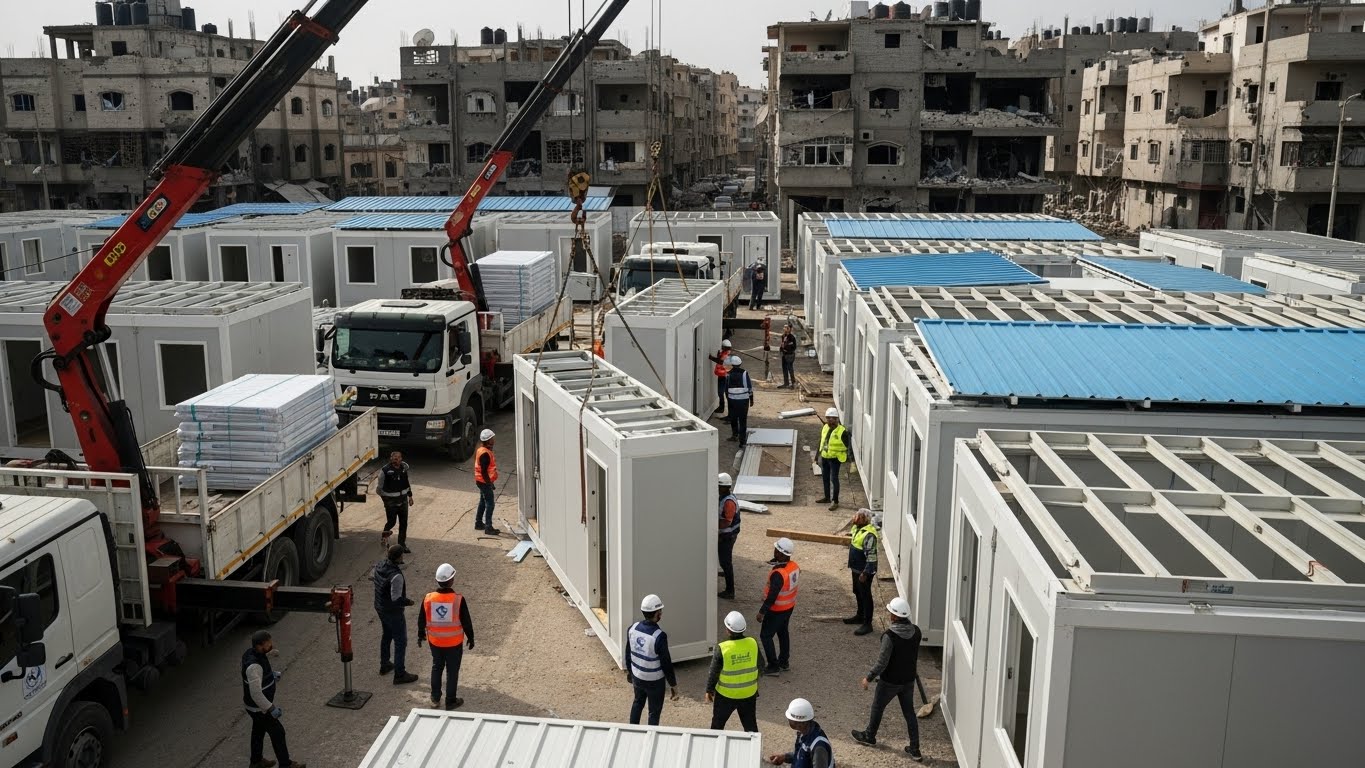
Urgent Housing Solutions for Gaza: Logistics, Assembly, and Durability Delivering housing solutions in Gaza requires an approach that combines urgency with technical discipline. High population density, damaged infrastructure, restricted access routes, and security constraints make traditional construction methods slow and impractical. In this context, urgent housing is not only about providing shelter quickly, but about ensuring structures can be transported efficiently, assembled safely, and remain durable under continuous use. Modular and prefabricated construction offers a realistic and proven pathway to meet these demands while supporting humanitarian operations at scale. What defines urgent housing solutions in Gaza? Urgent housing solutions more..

Urgent Housing Solutions for Gaza: Logistics, Assembly, and Durability2025-12-26T09:19:28+03:00

Rebuilding Ukraine: Rapid Modular Housing Solutions for Post-Conflict Zones

2025-12-26T09:16:38+03:00

Rebuilding Ukraine: Rapid Modular Housing Solutions for Post-Conflict Zones  The scale of destruction across Ukraine has created an urgent and complex rebuilding challenge. Entire neighborhoods, public facilities, and essential infrastructure have been damaged or rendered uninhabitable. In post conflict conditions, reconstruction must balance speed, safety, cost control, and long term usability. Rapid modular housing has emerged as one of the most effective solutions to address these competing demands, enabling communities to return to stable living environments while permanent urban recovery plans are developed. What is rapid modular housing in post conflict reconstruction? Rapid modular housing refers to prefabricated building systems manufactured off site and deployed quickly to more..

Rebuilding Ukraine: Rapid Modular Housing Solutions for Post-Conflict Zones2025-12-26T09:16:38+03:00

Meeting International Humanitarian Standards: Safe Settlements for Displaced People

2025-12-26T09:13:24+03:00

Meeting International Humanitarian Standards: Safe Settlements for Displaced People  Large scale displacement caused by conflict, natural disasters, and climate related events has made the delivery of safe and dignified settlements one of the most urgent global challenges. Emergency shelters are no longer short term solutions measured in weeks. In many regions, displaced communities remain in temporary settlements for years. This reality requires housing and camp infrastructure that meet international humanitarian standards while remaining fast to deploy, scalable, and suitable for prolonged use. Safe settlements are not defined only by speed, but by compliance, durability, and the ability to protect human health and dignity under extreme more..

Meeting International Humanitarian Standards: Safe Settlements for Displaced People2025-12-26T09:13:24+03:00

Why Leading NGOs Trust Dorce for Rapid Camp Deployment Globally

2025-12-26T09:08:59+03:00

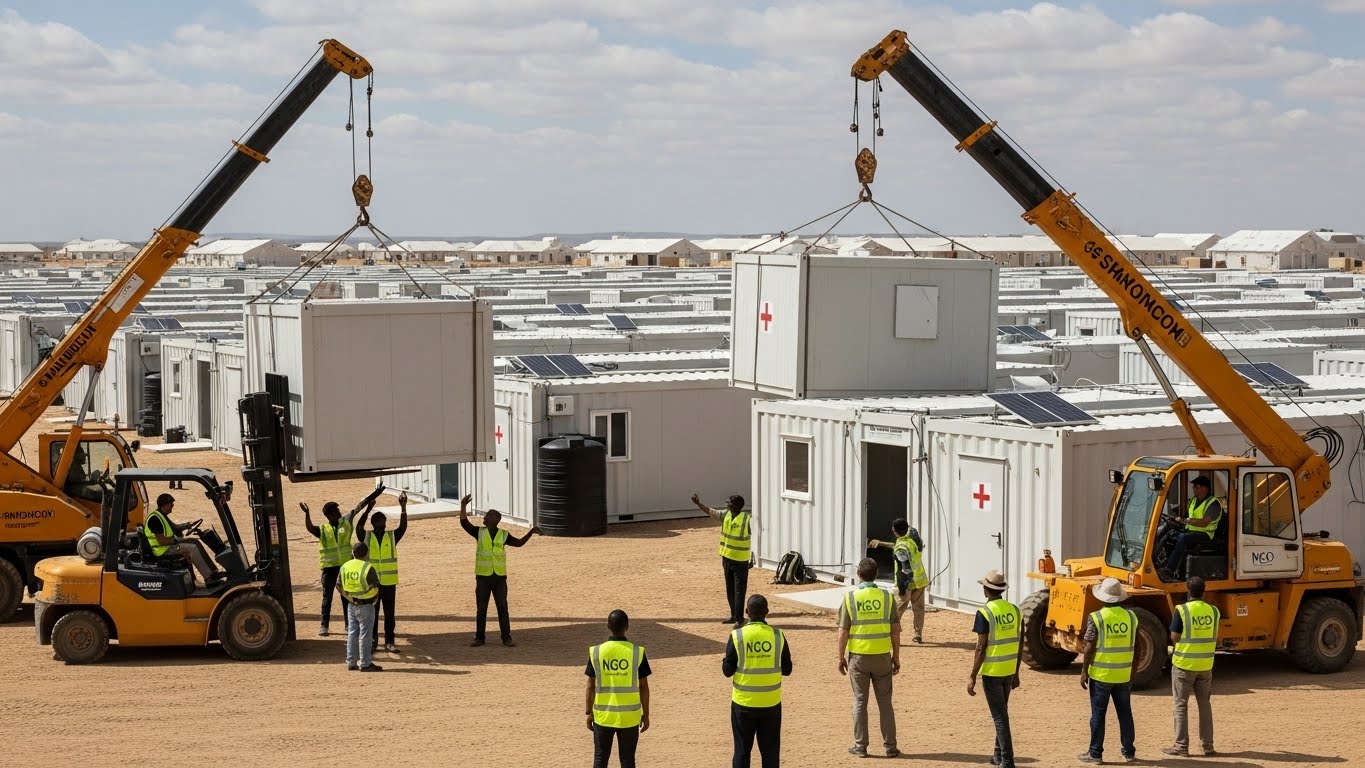
Why Leading NGOs Trust Dorce for Rapid Camp Deployment Globally Humanitarian organizations operating in crisis environments face a constant balance between urgency, accountability, and long term impact. Whether responding to natural disasters, armed conflicts, or large scale displacement, NGOs must deliver safe and functional camps under extreme time pressure and complex logistical constraints. In this context, trust is built through proven performance. Leading NGOs rely on Dorce because rapid deployment is not treated as a shortcut, but as a disciplined, engineered, and repeatable process that performs consistently across different geographies and crisis scenarios. What makes rapid camp deployment critical more..

Why Leading NGOs Trust Dorce for Rapid Camp Deployment Globally2025-12-26T09:08:59+03:00
Go to Top