About Melissa Boyacı

This author has not yet filled in any details.
So far Melissa Boyacı has created 263 blog entries.

World Bank Funded Projects: Compliance and Speed in Modular Construction

2025-12-26T09:04:05+03:00

World Bank Funded Projects: Compliance and Speed in Modular Construction World Bank funded construction programs are designed to deliver critical infrastructure and public services in regions where time, transparency, and long term performance are equally essential. These projects often operate in post conflict environments, disaster affected areas, or rapidly growing urban regions with limited infrastructure. In this context, modular construction has emerged as a highly effective delivery model, enabling accelerated implementation while meeting the World Bank’s strict compliance, reporting, and sustainability requirements. What defines World Bank funded construction projects? World Bank funded projects are governed by comprehensive procurement rules, more..
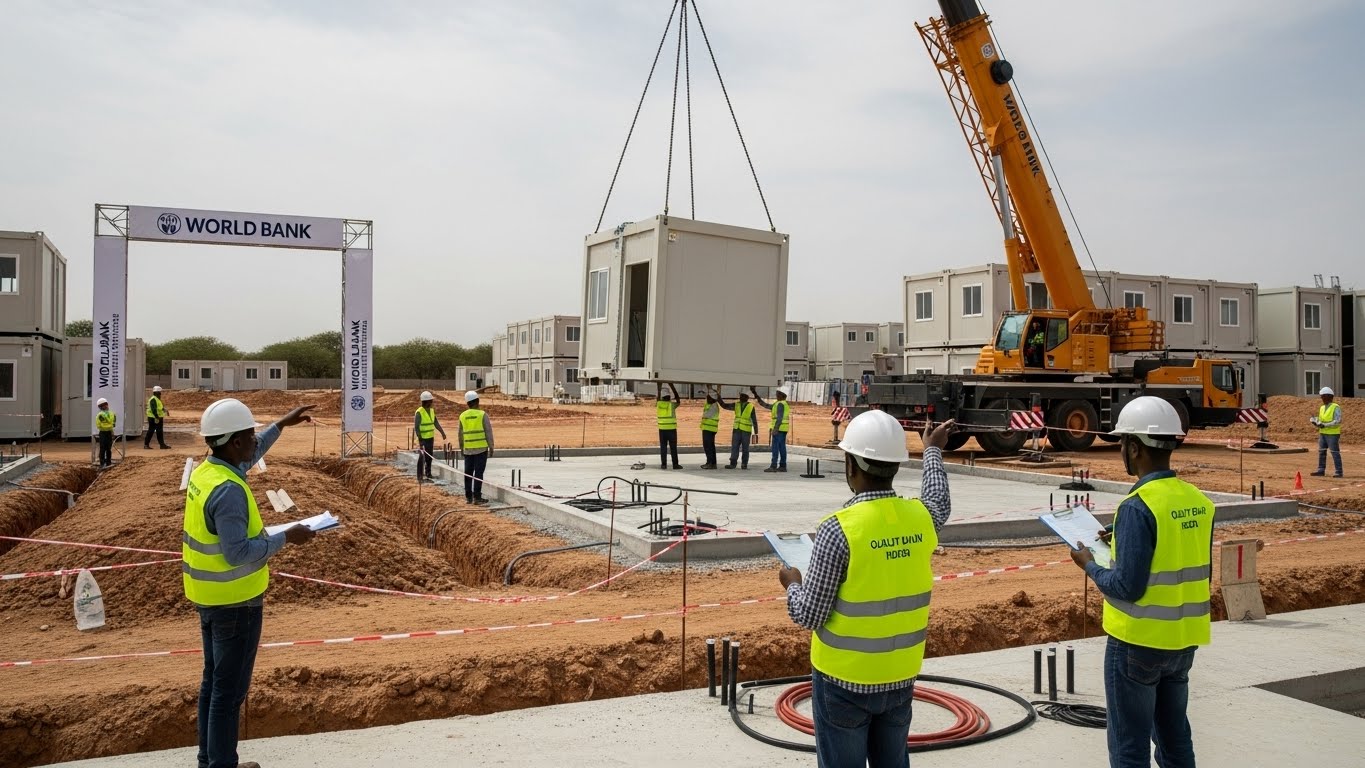
World Bank Funded Projects: Compliance and Speed in Modular Construction2025-12-26T09:04:05+03:00

Partnering with UN & UNHCR: Standards in Emergency Humanitarian Housing

2025-12-26T08:59:48+03:00

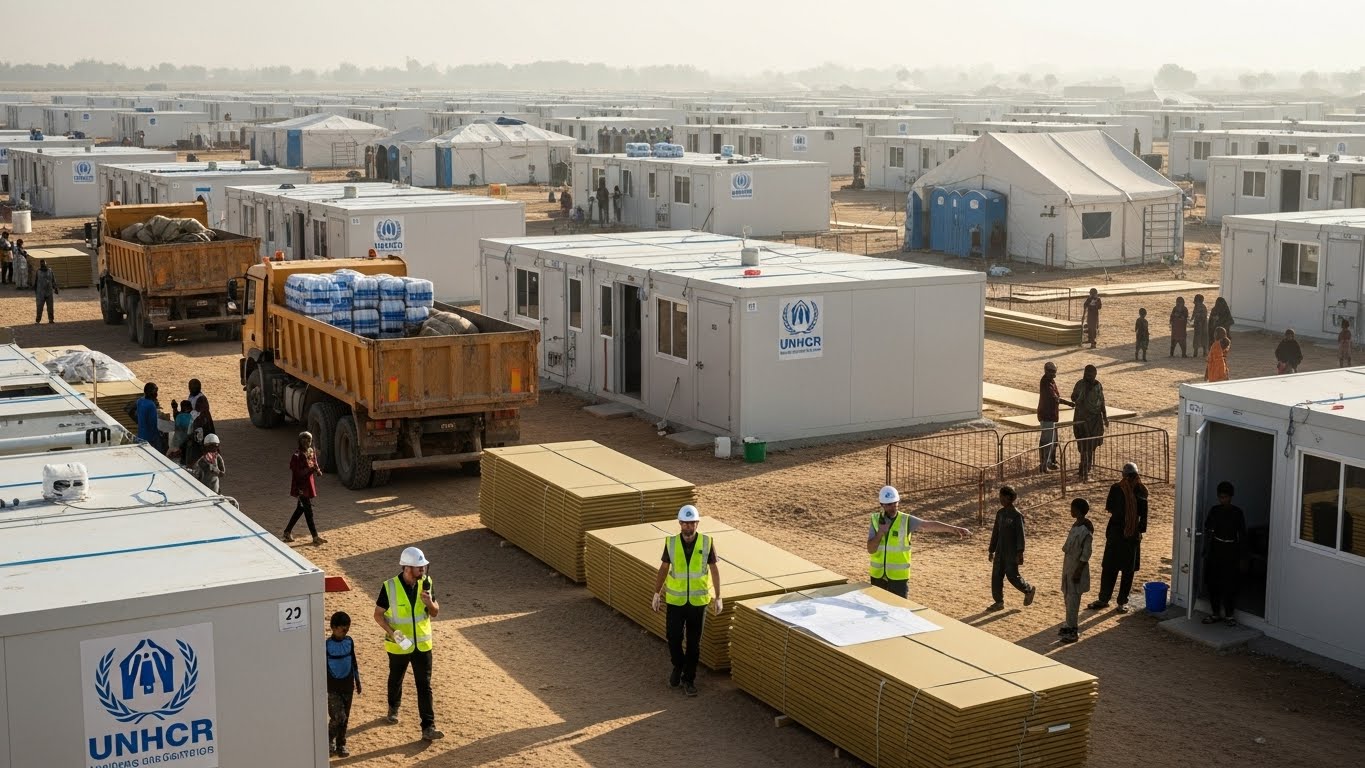
Partnering with UN & UNHCR: Standards in Emergency Humanitarian Housing Emergency humanitarian housing is not only about rapid delivery. It is about safeguarding human dignity, health, and safety under extreme conditions while ensuring solutions can scale and remain functional over time. When partnering with international organizations such as the United Nations and UNHCR, housing systems must comply with strict technical, humanitarian, and operational standards. These standards define how shelters and settlements are planned, produced, deployed, and maintained in crisis environments where failure is not an option. What are UN and UNHCR standards in emergency housing? UN and UNHCR standards more..

Partnering with UN & UNHCR: Standards in Emergency Humanitarian Housing2025-12-26T08:59:48+03:00

World Bank Funded Projects: Compliance and Speed in Modular Construction

2025-12-25T16:52:28+03:00

World Bank Funded Projects: Compliance and Speed in Modular Construction  World Bank funded projects operate under some of the most rigorous technical, financial, and social compliance frameworks in the construction sector. These projects are typically delivered in fragile, post conflict, or infrastructure deficient regions where speed of execution is critical, but never at the expense of transparency, quality, or long term performance. Modular construction has become a preferred delivery method in this context, as it enables accelerated implementation while maintaining full compliance with international procurement, environmental, and technical standards. What makes World Bank funded construction projects unique? World Bank funded construction projects are governed by more..

World Bank Funded Projects: Compliance and Speed in Modular Construction2025-12-25T16:52:28+03:00

Partnering with UN & UNHCR: Standards in Emergency Humanitarian Housing

2025-12-25T16:49:40+03:00

Partnering with UN & UNHCR: Standards in Emergency Humanitarian Housing Emergency humanitarian housing is not only about speed of delivery. It is about protecting human dignity, health, and safety under the most challenging conditions. When working with international organizations such as the United Nations and UNHCR, emergency housing solutions must comply with strict technical, humanitarian, and operational standards. These standards ensure that shelters and settlements remain safe, scalable, and suitable for prolonged use in crisis environments. Partnering with UN and UNHCR requires a deep understanding of global humanitarian frameworks, engineering discipline, and large scale delivery capability. What are UN more..

Partnering with UN & UNHCR: Standards in Emergency Humanitarian Housing2025-12-25T16:49:40+03:00

Dorce’s Global Reach: Case Studies on Emergency Settlements from the Middle East to Eastern Europe

2025-12-16T15:28:11+03:00

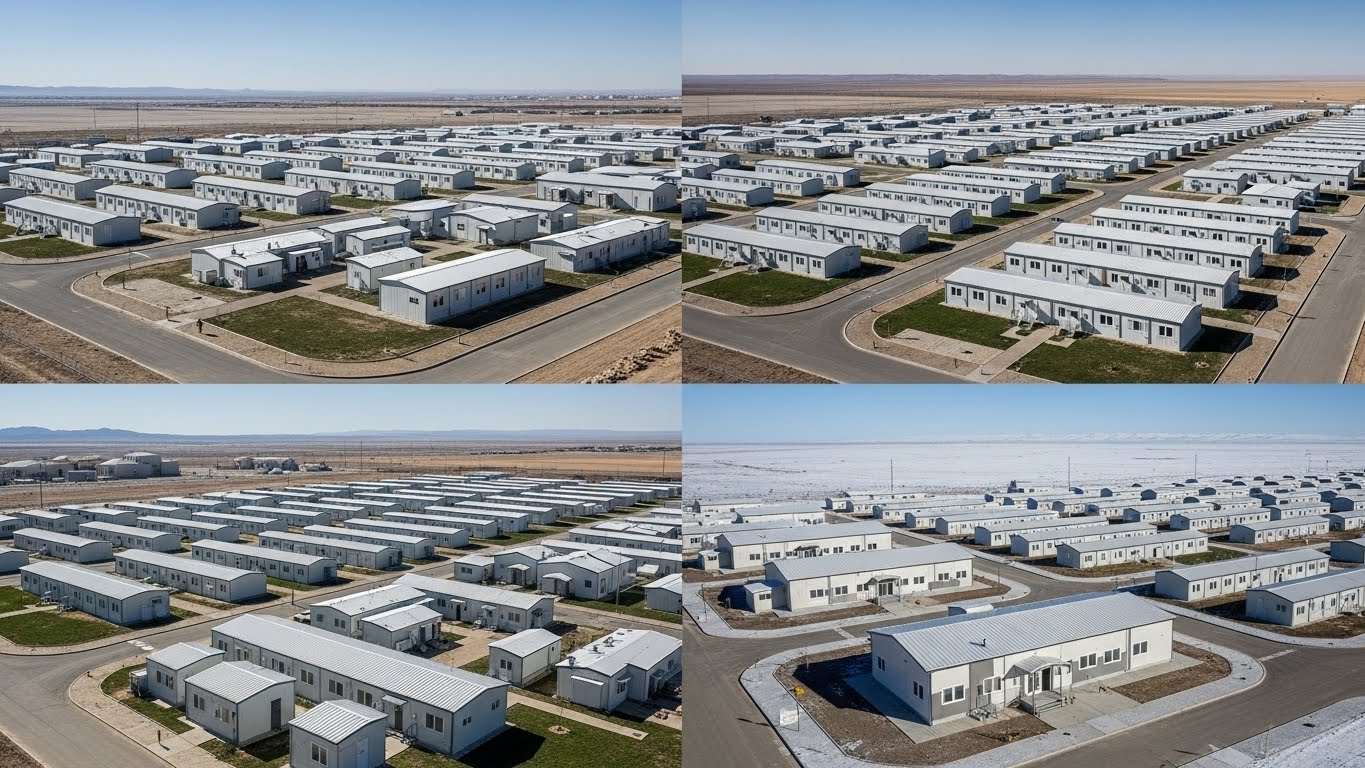
Dorce’s Global Reach: Case Studies on Emergency Settlements from the Middle East to Eastern Europe Emergency settlements are no longer simple clusters of temporary shelters. In today’s crisis landscape, they are complex, multi service environments that must deliver housing, sanitation, healthcare, power continuity, and operational control under tight timelines and difficult logistics. Dorce’s experience across multiple regions shows how modular and prefabricated systems can be deployed at different scales, in different climates, and under very different access and security constraints, while still achieving predictable quality and rapid activation. What Is a Turnkey Emergency Settlement? A turnkey emergency settlement is more..

Dorce’s Global Reach: Case Studies on Emergency Settlements from the Middle East to Eastern Europe2025-12-16T15:28:11+03:00

Cost-Benefit Analysis: Prefabricated Structures vs. Traditional Building in Post-War Reconstruction

2025-12-16T15:16:34+03:00

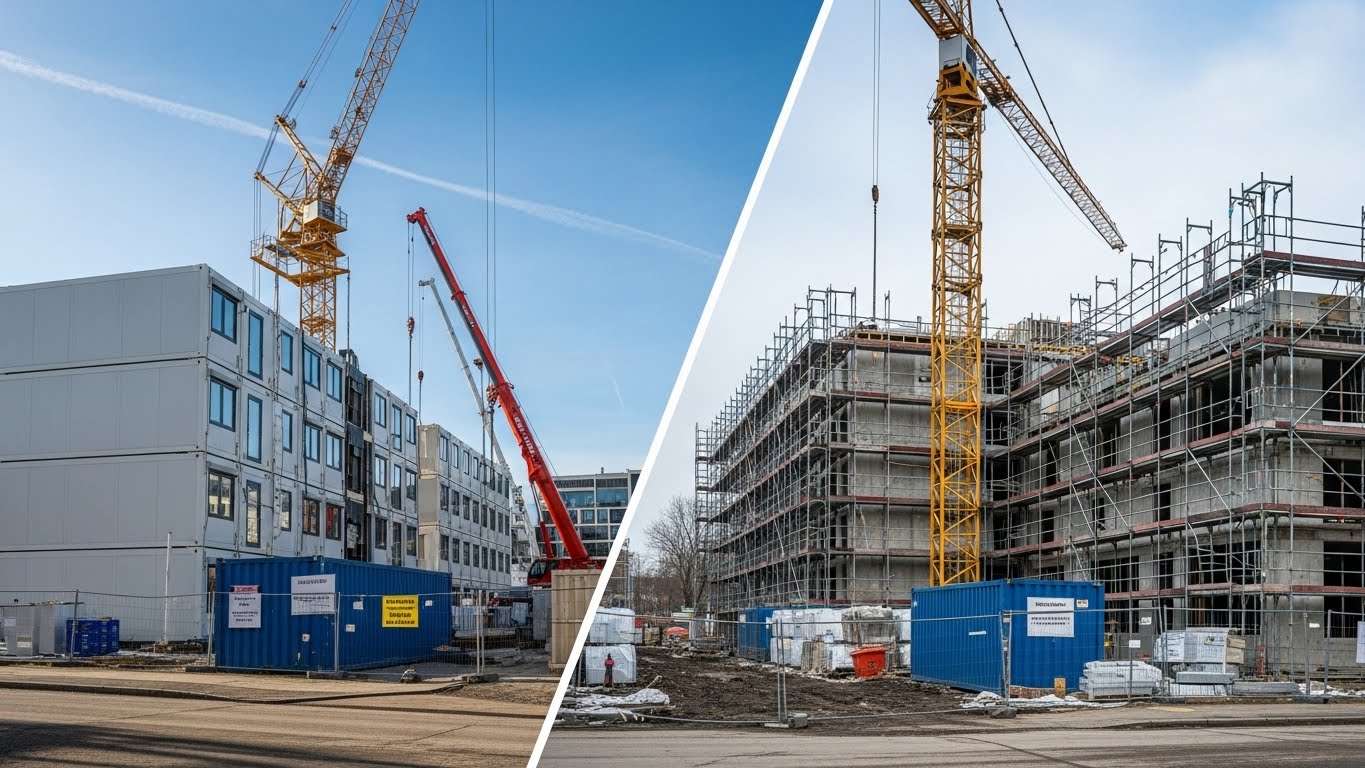
Cost-Benefit Analysis: Prefabricated Structures vs. Traditional Building in Post-War Reconstruction Post war reconstruction is a race against time, funding constraints, and operational risk. The real question is rarely “which method is better” in general. It is which method delivers safe, code compliant buildings at scale, with the least schedule uncertainty, the lowest lifecycle cost, and the fastest return to normal life. Prefabricated construction, including modular buildings, panelized systems, and container based solutions, often outperforms traditional site built construction in post war contexts because it transfers risk away from unstable sites into controlled production, and it compresses schedules in a more..

Cost-Benefit Analysis: Prefabricated Structures vs. Traditional Building in Post-War Reconstruction2025-12-16T15:16:34+03:00

The Future of Humanitarian Aid: The Role of Modular Construction in Crisis Management

2025-12-16T15:08:18+03:00

The Future of Humanitarian Aid: The Role of Modular Construction in Crisis Management Humanitarian aid is undergoing a fundamental transformation. Prolonged conflicts, climate related disasters, mass displacement, and fragile infrastructure are pushing response systems beyond short term emergency models. Today’s crises demand solutions that are not only fast but also scalable, durable, and capable of supporting communities for months or even years. In this evolving landscape, modular construction is emerging as one of the most influential tools shaping the future of crisis management, redefining how shelter, healthcare, education, and life support infrastructure are delivered. Unlike traditional emergency responses that more..

The Future of Humanitarian Aid: The Role of Modular Construction in Crisis Management2025-12-16T15:08:18+03:00

Scalable Emergency Housing: How to Build a Camp for 10,000 People Quickly

2025-12-16T15:02:24+03:00

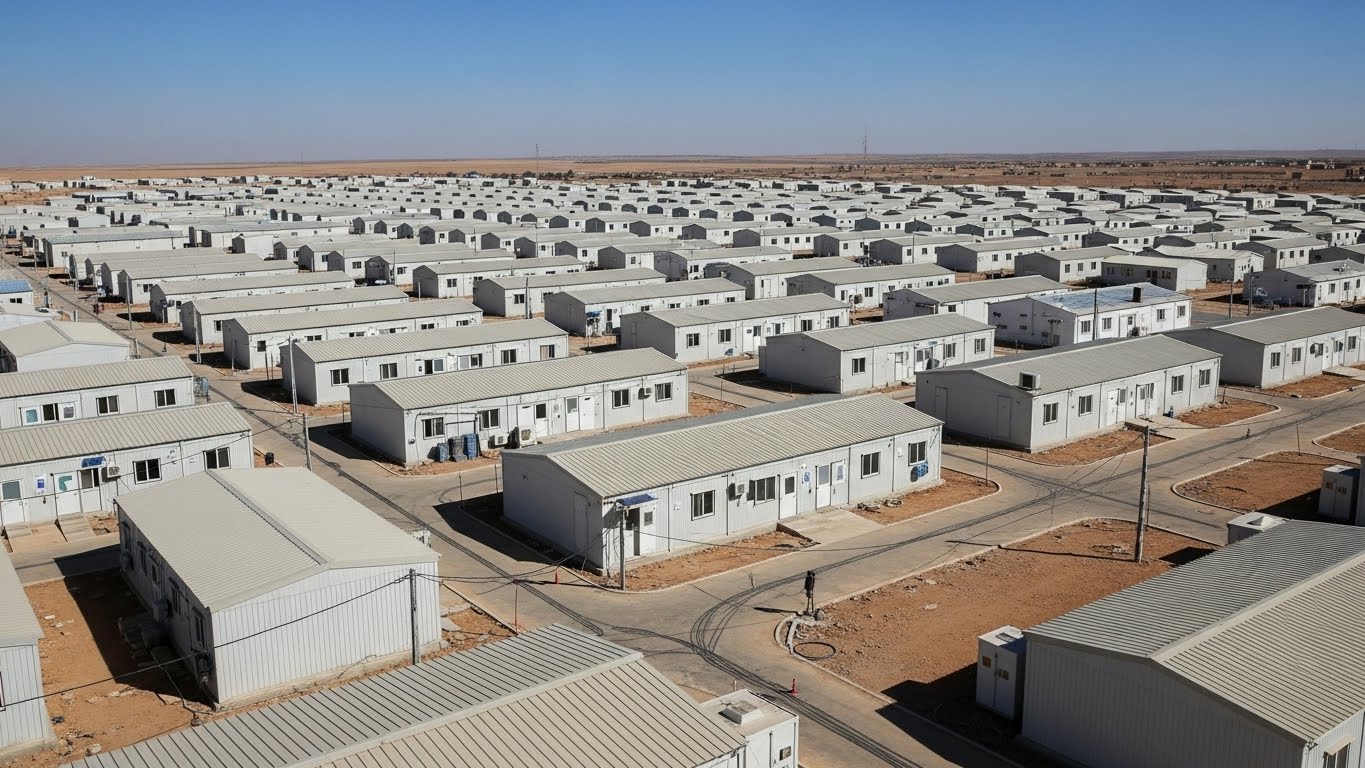
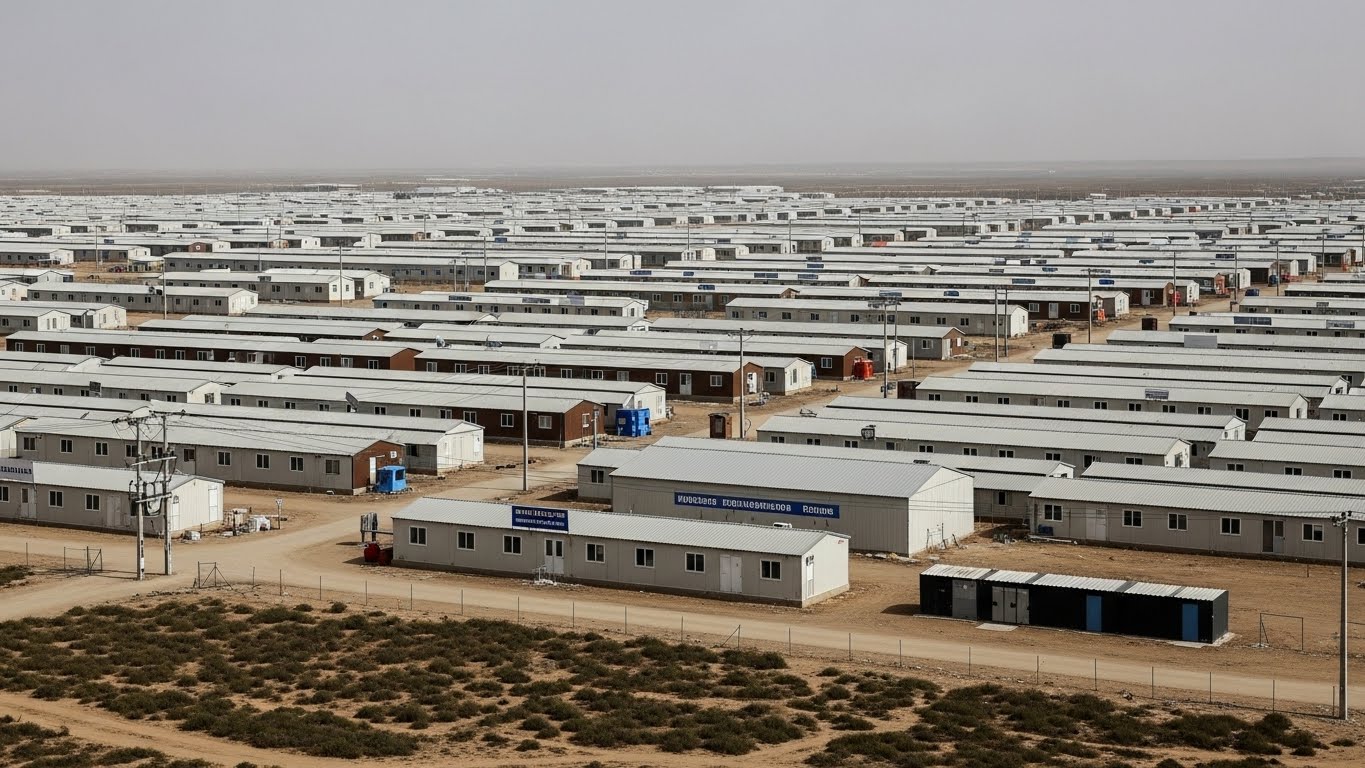
Scalable Emergency Housing: How to Build a Camp for 10,000 People Quickly Large scale displacement requires solutions that go far beyond individual shelters. When populations reach tens of thousands, emergency housing becomes a matter of systems engineering, logistics management, and coordinated planning rather than isolated construction activities. Building a camp for 10,000 people quickly demands speed, scalability, and operational reliability, while ensuring safety, hygiene, and long term usability. Modular and prefabricated construction provides the only realistic approach to meeting these requirements under crisis conditions. Scalable emergency housing relies on industrialized production, standardized layouts, and phased deployment strategies. Instead of more..

Scalable Emergency Housing: How to Build a Camp for 10,000 People Quickly2025-12-16T15:02:24+03:00

From Factory to Field: The Supply Chain of Emergency Settlement Units

2025-12-16T14:55:45+03:00

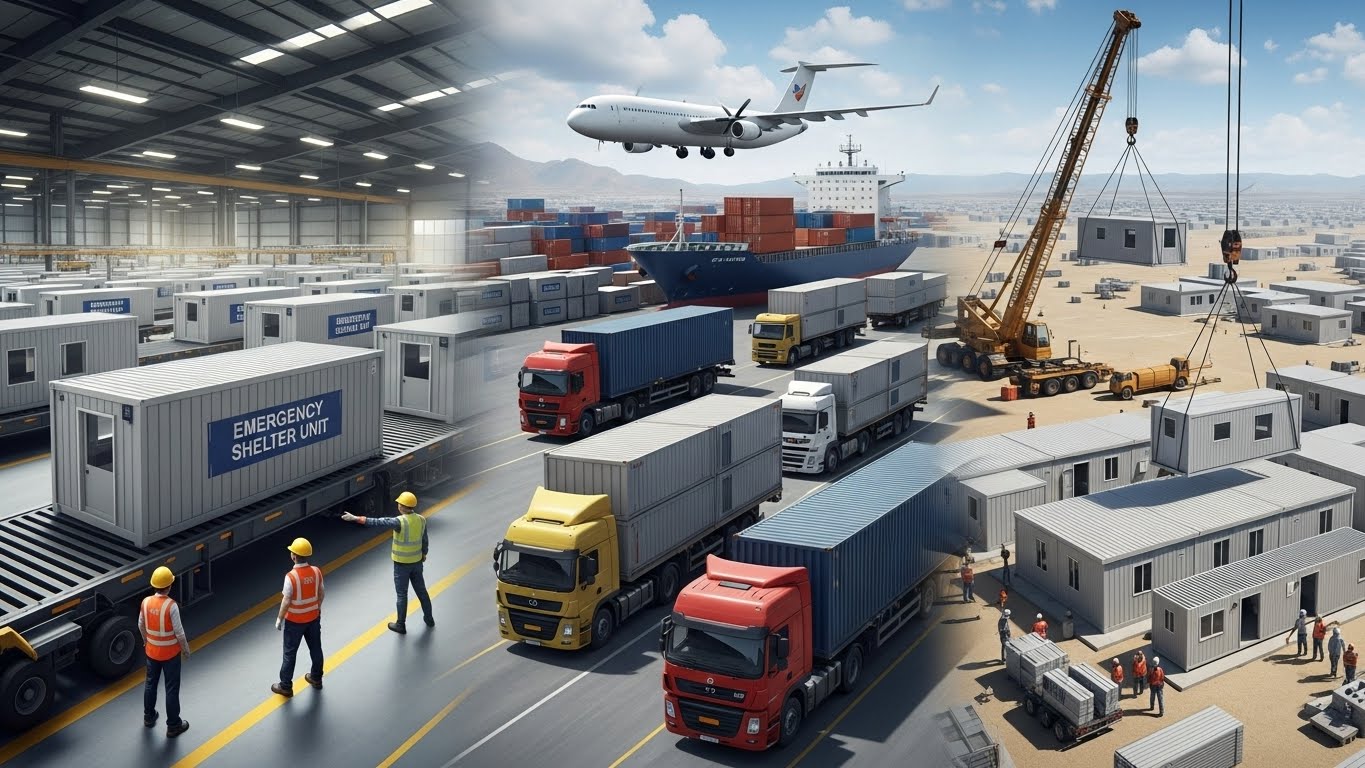
From Factory to Field: The Supply Chain of Emergency Settlement Units In emergency response, the effectiveness of shelter solutions is defined not only by design quality but by how efficiently they move from production to deployment. Emergency settlement units must travel through complex supply chains under extreme time pressure, unstable access conditions, and limited infrastructure. The journey from factory to field is therefore a critical process that determines whether shelters arrive on time, function as intended, and provide immediate relief to affected populations. A well structured supply chain transforms modular construction into a true life saving capability. Unlike conventional more..

From Factory to Field: The Supply Chain of Emergency Settlement Units2025-12-16T14:55:45+03:00

Air-Transportable Modular Units: Solving Logistics in Hard-to-Reach Conflict Zones

2025-12-16T14:47:35+03:00

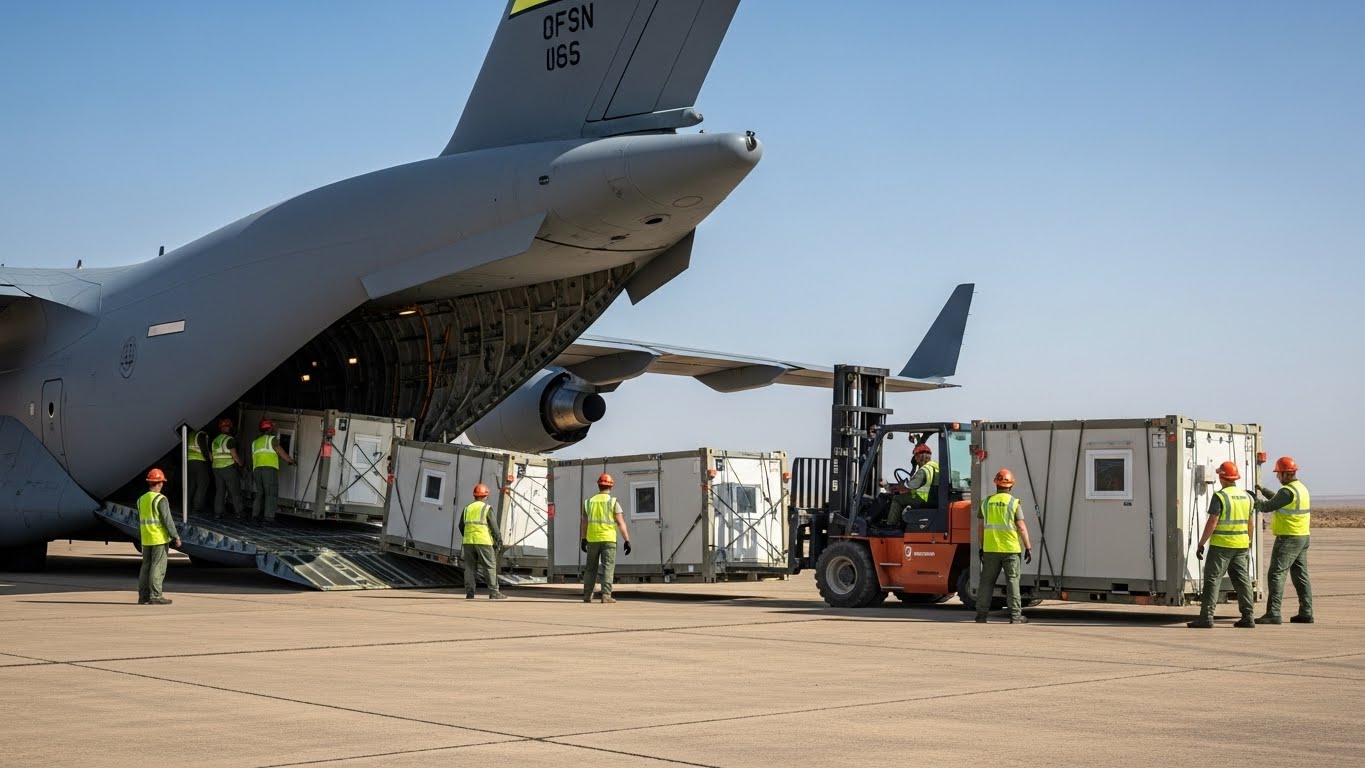
Air-Transportable Modular Units: Solving Logistics in Hard-to-Reach Conflict Zones Access is one of the most decisive constraints in conflict zones. Roads may be damaged, borders restricted, ports unavailable, and ground convoys exposed to security risks. In such environments, the ability to deliver life saving infrastructure by air becomes a strategic advantage rather than a logistical alternative. Air transportable modular units address this challenge by enabling shelters, medical facilities, and support buildings to be deployed rapidly into locations where conventional construction and surface transport are impossible or too slow. These systems are designed around aviation constraints from the outset. Weight, more..

Air-Transportable Modular Units: Solving Logistics in Hard-to-Reach Conflict Zones2025-12-16T14:47:35+03:00
Go to Top