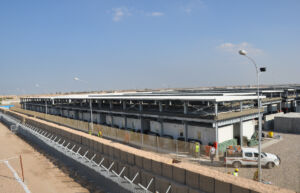
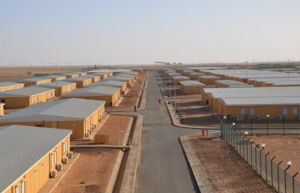
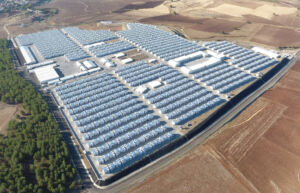
7,000-Person Emergency Prefabricated Modular Housing Solution Comprising 1,000 Units – Post-Earthquake Response in Bam, Iran
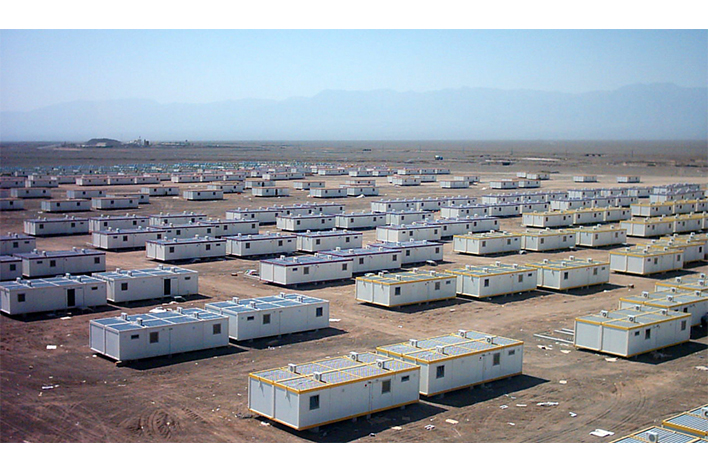
High-Durability Prefabricated Modular Steel Settlements Delivered Rapidly After the Earthquake
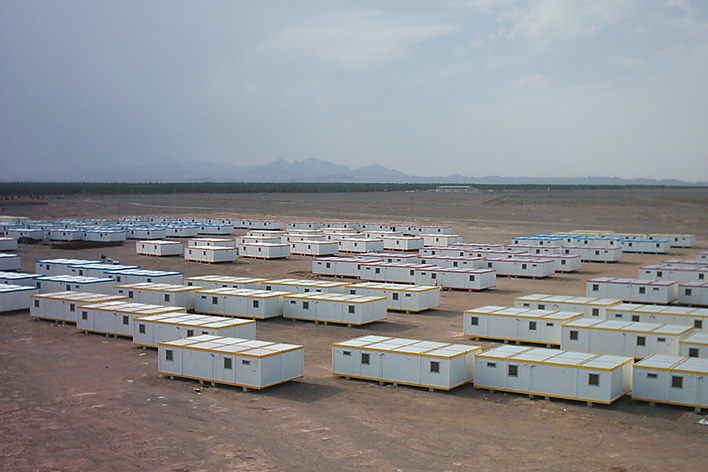
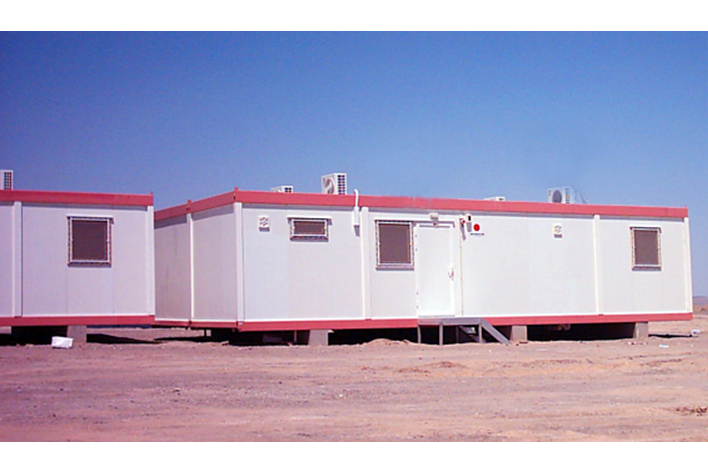
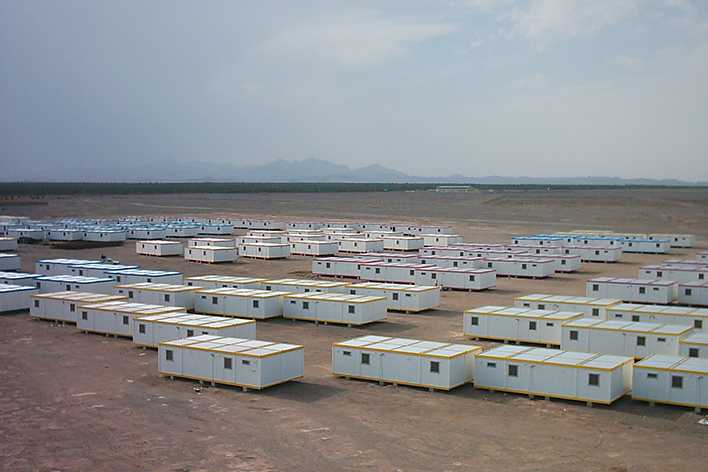
Following the devastating earthquake in Bam, Iran, the urgent need for safe and rapidly deployable housing solutions for thousands of affected people became a top humanitarian priority. Within this framework, the Emergency Housing Units Project providing accommodation for 7,000 people through 1,000 modular units stands as an important example demonstrating the effectiveness of prefabricated modular steel building systems during post-disaster emergency response programs. Implemented under a Design & Build model, the project was designed to establish a high-capacity, safe, and rapidly deployable living environment within a very short time.
Today, in regions with high seismic risk, single-family homes and emergency settlements are increasingly constructed using prefabricated modular building technologies. One of the strongest international references is California, USA, one of the world’s highest-risk seismic regions, where over 560,000 single-family homes have been built using earthquake-resistant prefabricated modular systems. These applications clearly demonstrate that modular buildings are not only temporary housing, but also durable, long-life, and safe residential solutions.
A similar approach has been adopted in Türkiye. After the Elazığ earthquake, the rural housing program implemented under the coordination of TOKİ (Housing Development Administration of Türkiye) made use of prefabricated modular building systems. Dorce took part in the production and construction processes of these projects, supporting rapid installation and high seismic performance as key priorities.
What Are Post-Earthquake Emergency Housing Unit Projects?
Emergency housing unit programs are developed to rapidly meet temporary or semi-permanent shelter needs of populations affected by disasters. These buildings must deliver rapid installation, durability, hygiene, and basic living comfort concurrently.
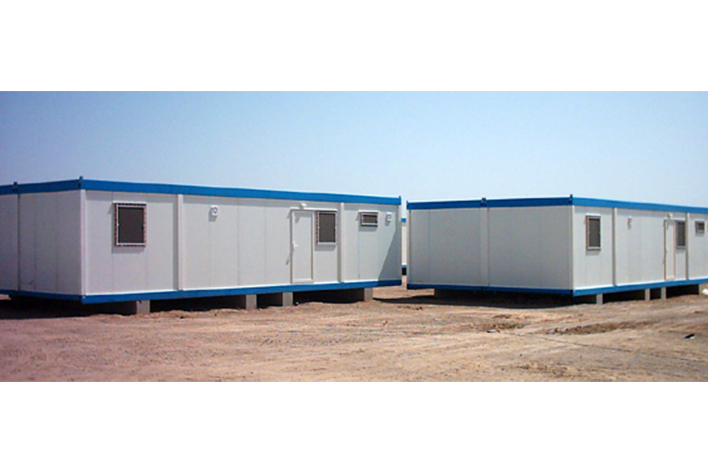
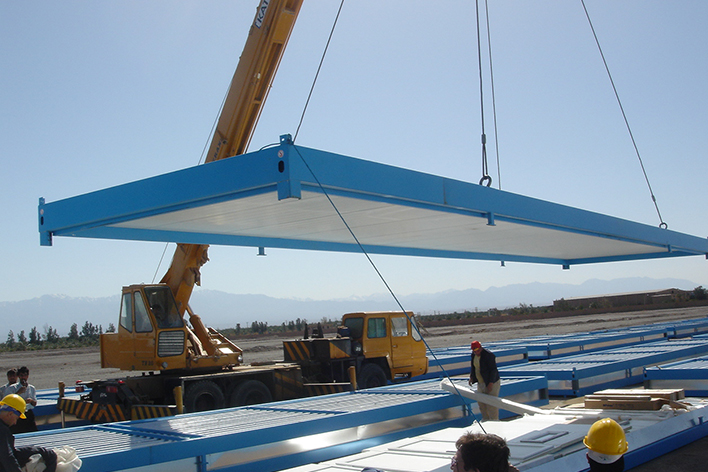
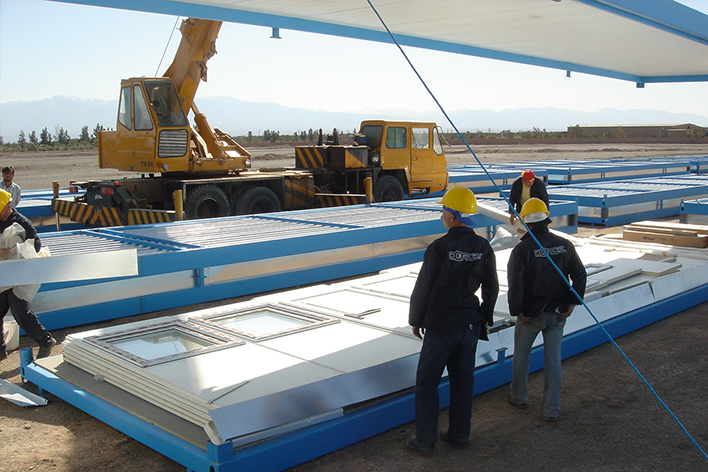
Within the Bam project, 1,000 modular steel housing units were installed, creating accommodation capacity for 7,000 people.
Project Scope and Technical Features
The project was implemented in Bam, Iran, for Marubeni Corporation, under the project ownership of Japan International Cooperation System (JICS). The total construction area amounted to 36,000 m², with modular steel building systems selected as the core structural solution.
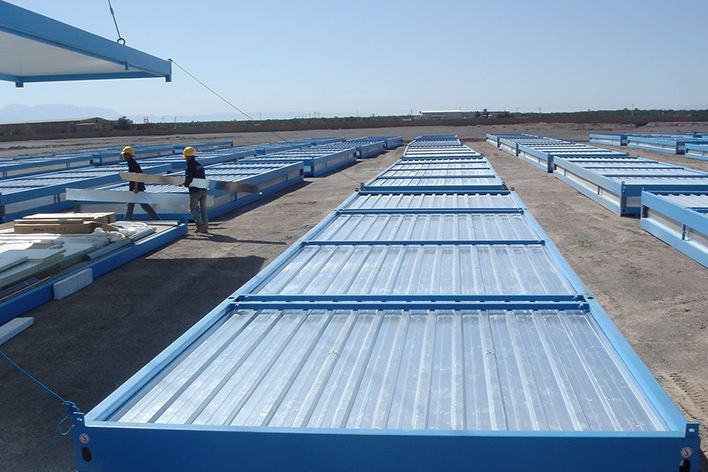
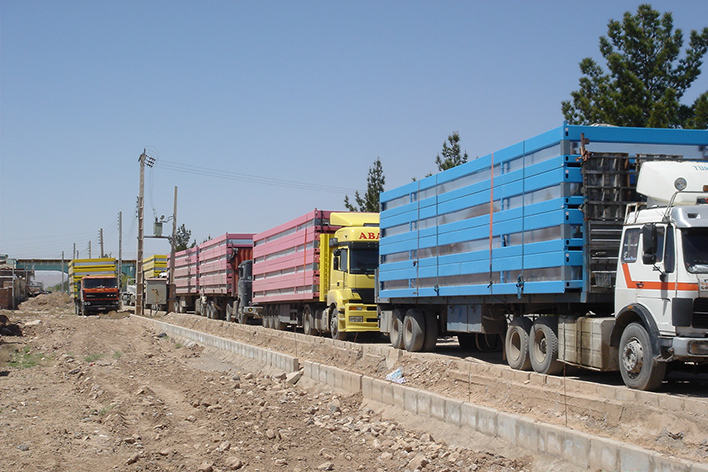
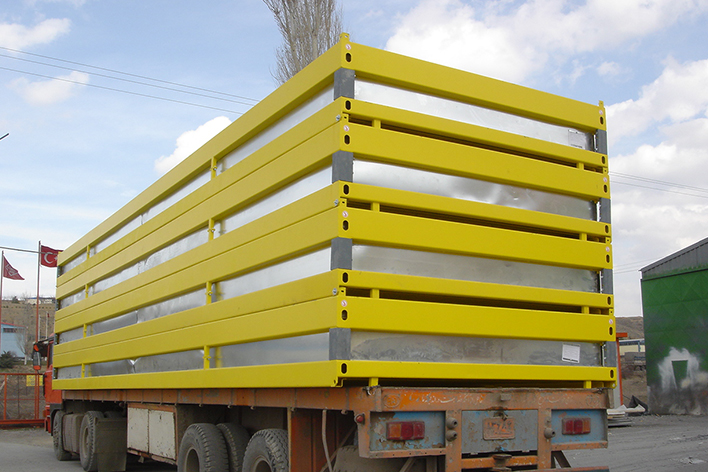
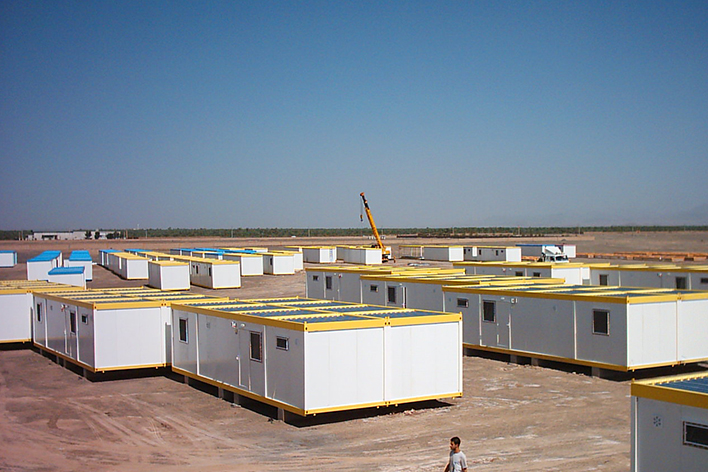
All building components were manufactured at Dorce’s industrial production facilities in Ankara. Units were packaged in flat-pack format and transported internationally to site, enabling maximum efficiency in storage and logistics operations. On-site, the modules were installed rapidly through controlled assembly processes, providing safe and functional emergency accommodation within a very short timeframe.
The scope of works included:
• Architectural and engineering design
• Modular unit installation
• Electrical systems
• Mechanical systems
• Heating solutions
• Smoke-detection systems
The project was successfully completed between June and November 2005.
Advantages of Modular Steel Buildings in Earthquake Zones
Modular steel systems provide several critical advantages in post-disaster shelter programs:
• Controlled factory manufacturing ensures consistent quality
• On-site installation is extremely fast
• Steel structures deliver high seismic resistance
• Units withstand harsh climatic and ground conditions
• Buildings can be relocated and reused when necessary
These features make modular steel systems one of the most effective and sustainable humanitarian shelter solutions worldwide.
Applications in Humanitarian Relief and Disaster Response
Emergency modular housing units are widely used in:
• Earthquake-affected regions
• Flood and natural disaster zones
• Refugee settlements
• Crisis and humanitarian relief areas
For international organizations, public authorities, development agencies, and relief NGOs, modular emergency housing provides safe, rapid, and scalable accommodation for displaced populations.
The Bam Earthquake Emergency Housing Units Project clearly demonstrates how industrialized modular building technologies can successfully support large-scale disaster response programs.
Dorce’s Strength in Emergency and Humanitarian Projects
This project reflects Dorce’s capability to integrate design, engineering, manufacturing, logistics, and on-site construction within large-scale emergency programs. Thanks to its turnkey project approach, international logistics expertise, and modular production infrastructure, Dorce ensures rapid mobilization and safe living environments in disaster-affected regions — a capability that makes a critical difference in humanitarian response operations.
Project Detail
Country
Iran
Date
2005