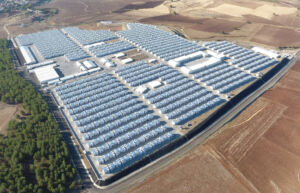
Open Panelized System
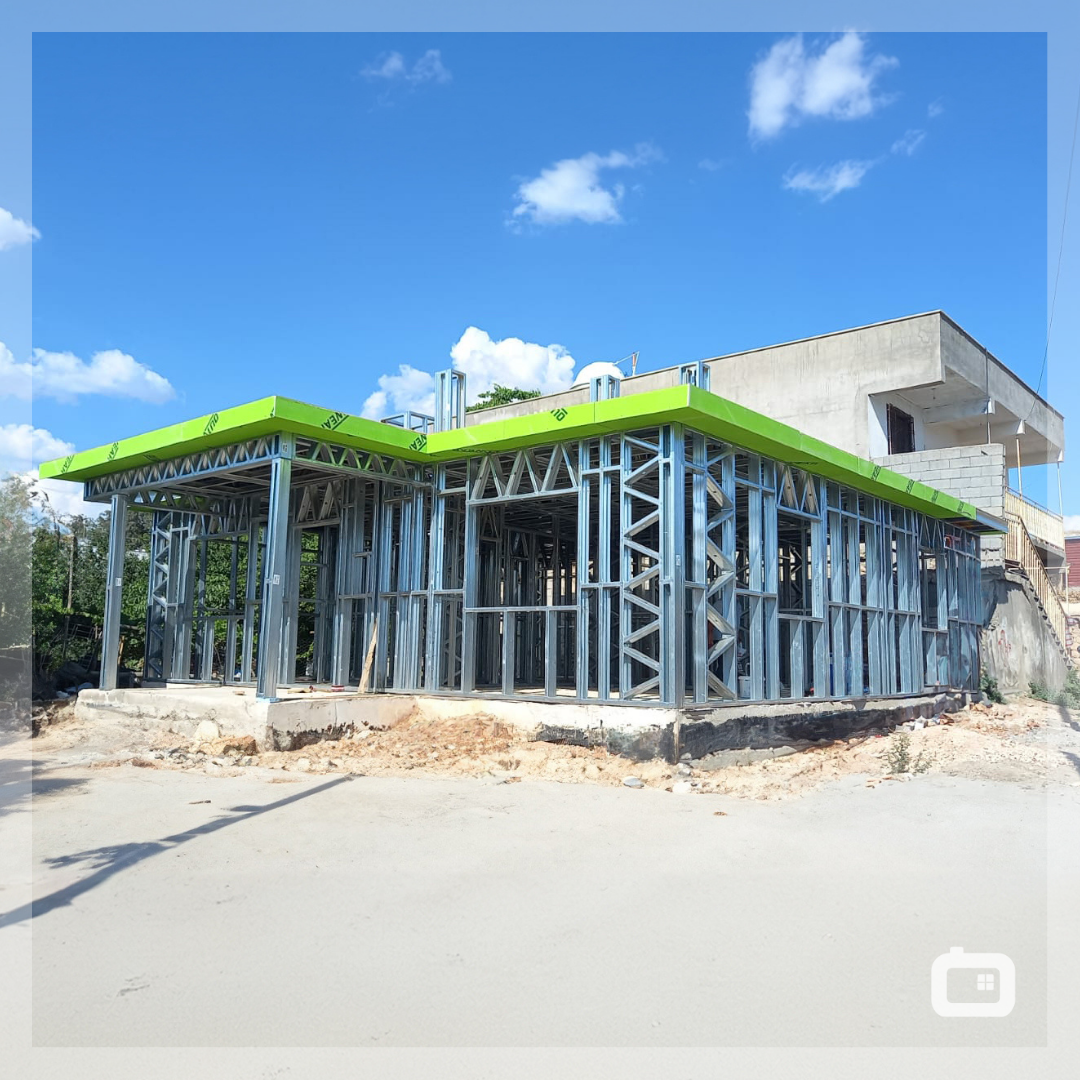
The Open Panelized System (OPS) is an innovative construction method that involves the off-site fabrication of structural components—such as walls, floors, and roofs—in a controlled factory environment. These components are then transported to the construction site for assembly, streamlining the building process and enhancing overall efficiency.
Key Features of Open Panelized Systems:
-
Off-Site Fabrication: Structural elements are manufactured in a factory setting, ensuring precision and consistency. This approach minimizes on-site labor and reduces construction timelines.
-
Open Panels: The system utilizes open panels, which are basic structural frames without pre-installed services or insulation. This design offers flexibility, allowing for customization and the integration of various building materials and systems on-site.
-
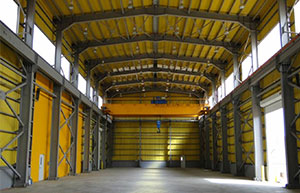
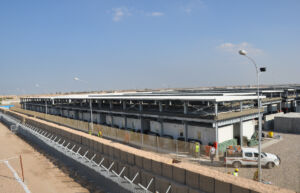
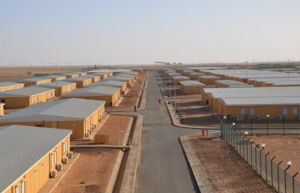
Versatility: Open panelized systems are adaptable to a wide range of building types, including residential, commercial, and industrial structures. Their design flexibility accommodates diverse architectural styles and functional requirements.
Advantages of Open Panelized Systems:
-
Speed of Construction: By producing components off-site, projects can achieve faster completion times compared to traditional building methods. This efficiency is particularly beneficial in projects with tight schedules or in regions with adverse weather conditions.
-
Quality Control: Factory-controlled manufacturing ensures high-quality production standards, resulting in durable and reliable structural components.
-
Cost Efficiency: Reducing on-site labor and construction time leads to significant cost savings. Additionally, off-site fabrication minimizes material waste, contributing to more sustainable building practices.
-
Design Flexibility: The open nature of the panels allows for easy customization, enabling architects and builders to implement unique design elements and accommodate specific client needs.