

Strategic Infrastructure Recovery: Off-Site Construction Roles in Ukraine's Reconstruction
Strategic Infrastructure Recovery: Off-Site Construction Roles in Ukraine's Reconstruction
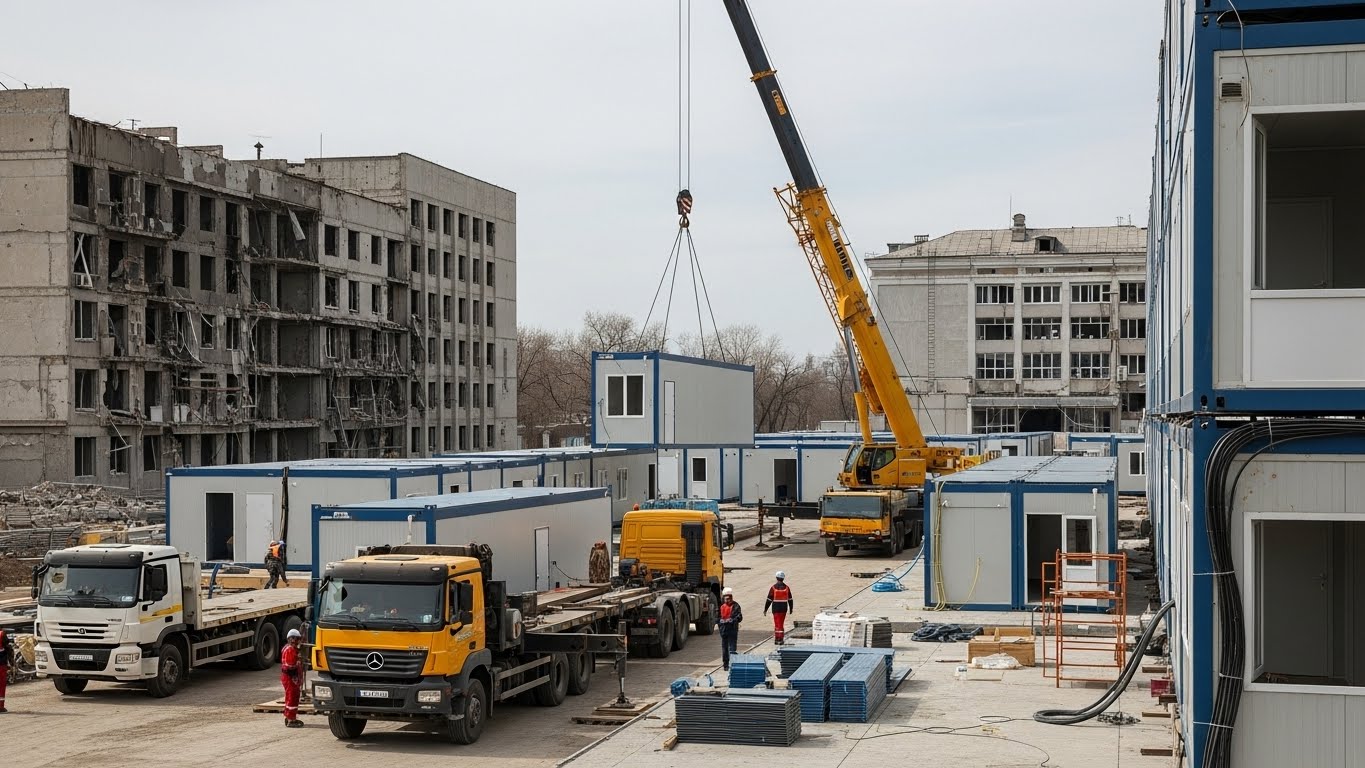
Ukraine’s reconstruction effort is not limited to rebuilding individual buildings. It requires the coordinated recovery of strategic infrastructure that supports housing, healthcare, education, energy, and public services. Roads, utilities, social facilities, and residential developments must be delivered under severe time pressure while operating in an environment shaped by damaged assets, labor shortages, and logistical constraints. In this context, off-site construction has become a critical tool for accelerating infrastructure recovery while maintaining quality, safety, and long term performance.
What is off-site construction in strategic infrastructure recovery?
Off-site construction refers to the manufacturing of building components or complete modules in controlled factory environments, followed by transportation and rapid installation on site. In Ukraine’s reconstruction, this approach is applied not only to housing, but also to schools, hospitals, administrative buildings, energy support structures, and utility facilities.
Unlike traditional construction, which depends heavily on site conditions and local labor availability, off-site construction shifts complexity into predictable production settings. This allows infrastructure assets to be delivered faster and with greater consistency, even when on-site conditions remain unstable or constrained.
Advantages
Speed of implementation is a primary advantage. While foundations, utilities, and site access are prepared, buildings and infrastructure modules are produced in parallel. This overlap significantly reduces overall project timelines.
Quality and compliance are strengthened through factory-based production. Structural components, insulation systems, and technical installations are manufactured under controlled conditions, enabling systematic inspections and consistent adherence to standards.
Reduced on-site dependency is critical in post-conflict environments. Off-site construction minimizes the need for large on-site workforces and extended construction periods, lowering safety risks and logistical exposure.
Cost predictability supports large-scale recovery programs. Standardized production processes reduce variations and help public authorities and international donors maintain budget control.
Scalability enables phased infrastructure recovery. Modular systems allow infrastructure assets to be replicated, expanded, or adapted across multiple regions without redesigning each project from scratch.
Durability and lifecycle performance are enhanced. Engineered systems are designed for long-term use, ensuring that temporary recovery solutions do not become long-term liabilities.
Usage areas
Off-site construction plays a strategic role across multiple infrastructure categories in Ukraine’s reconstruction.
Residential housing developments for displaced and returning populations
Healthcare facilities including hospitals, clinics, and diagnostic centers
Educational buildings such as schools and vocational training centers
Public administration and municipal service buildings
Energy and utility support structures
Temporary and permanent facilities supporting reconstruction workforce operations
In each case, off-site construction enables faster recovery while supporting long-term infrastructure resilience.
Dorce’s approach
Dorce applies off-site construction as an integrated recovery strategy rather than a standalone building method. Infrastructure projects are planned with logistics, production capacity, and installation sequencing considered from the earliest design stages. This ensures that each asset fits within broader recovery timelines and regional development plans.
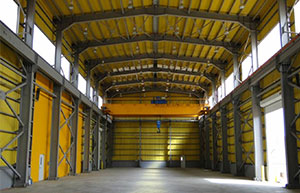
Factory-based manufacturing allows precise control over structural systems, insulation performance, and technical installations. Modules and components are designed for efficient transport and rapid installation, even in areas with limited access or damaged infrastructure. On-site assembly follows standardized procedures that reduce installation time and improve safety.
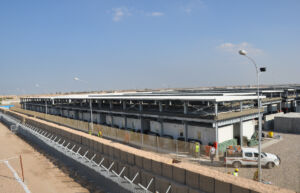
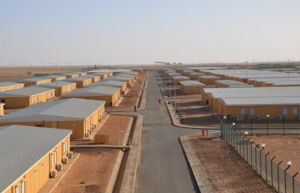
Dorce’s experience delivering large-scale modular housing, healthcare facilities, and infrastructure-linked buildings in challenging environments supports effective coordination with public authorities, international donors, and reconstruction stakeholders. This enables off-site construction to function as a reliable backbone for strategic infrastructure recovery rather than an isolated solution.
Rebuilding Ukraine’s infrastructure is a long-term national task that demands speed, discipline, and foresight. Off-site construction provides a structured pathway to restore critical assets quickly while ensuring durability and compliance. Through its modular and prefabricated construction expertise, Dorce contributes to Ukraine’s reconstruction by delivering infrastructure solutions that support immediate recovery and sustainable development.