
From Tents to Prefab Homes: Upgrading Living Standards in Northern Syria
From Tents to Prefab Homes: Upgrading Living Standards in Northern Syria
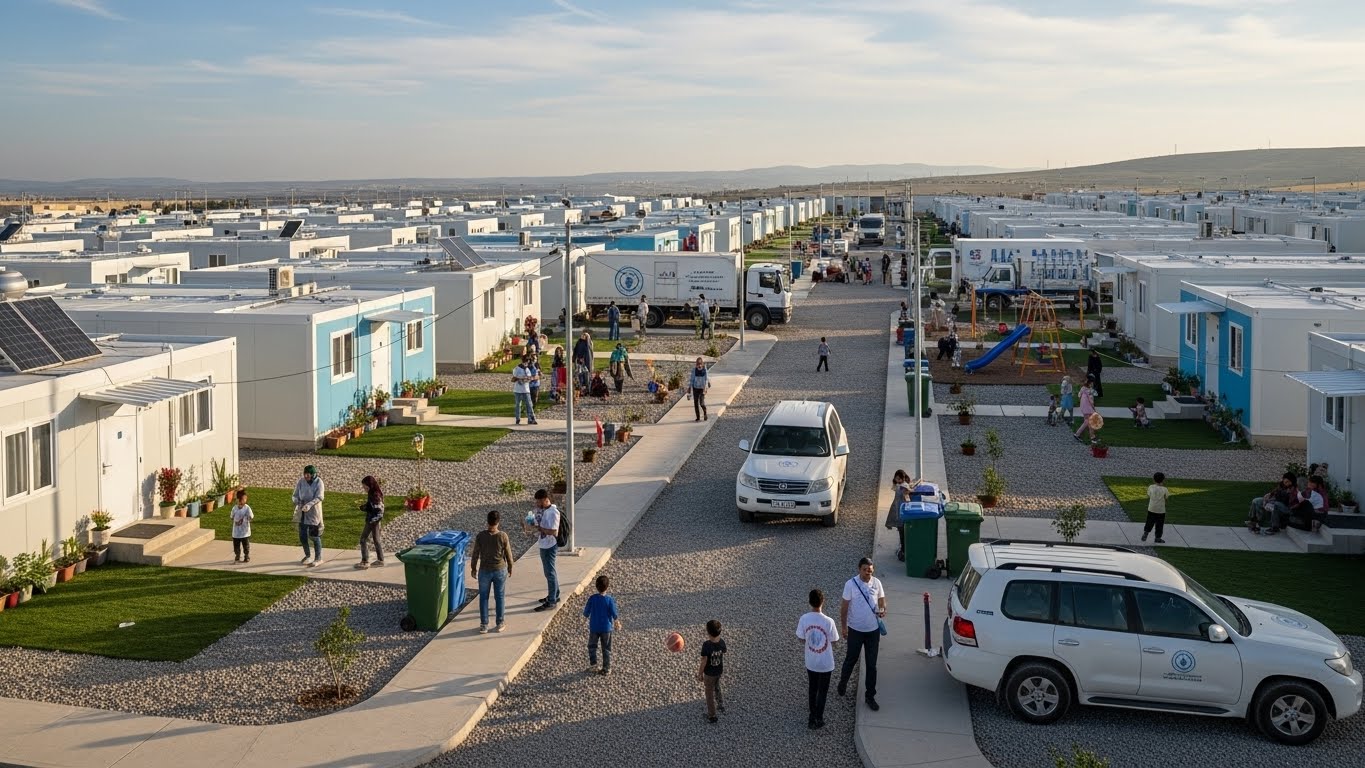
From tents to prefab homes describes the humanitarian shift toward replacing temporary fabric shelters with durable, modular housing solutions designed for dignity, safety and long term use. In Northern Syria, where millions of displaced people still live in tents exposed to harsh weather, flooding, fire risks and poor hygiene conditions, prefabricated homes offer a transformational improvement in daily living standards.
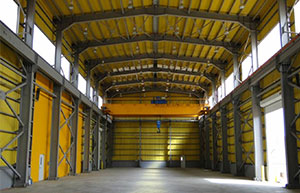
Prefab homes are manufactured in controlled factory environments using steel or modular structural systems. They are delivered to site as complete or easily assembled units equipped with insulation, flooring, windows, doors, electrical systems and proper ventilation. These units provide safer, cleaner and more stable accommodation for families rebuilding their lives in displacement settings.
Advantages
Transitioning from tents to prefab homes provides immediate improvements in safety and wellbeing. Durable structures protect residents from rain, snow, wind, extreme temperatures and flooding while reducing fire risk. Insulated walls and sealed construction help maintain healthier indoor environments, supporting better protection for children, elderly people and those with health vulnerabilities.
Hygiene conditions are significantly enhanced thanks to solid floors, proper drainage compatibility and the ability to integrate sanitation facilities. Privacy and security are also strengthened through lockable doors and windows.
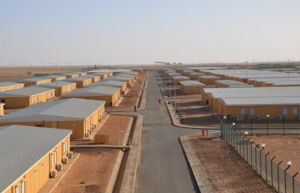
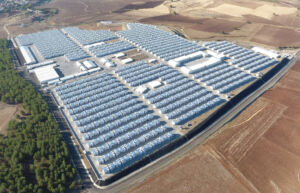
Prefab homes are designed for long term use, making them more sustainable and cost effective compared with constantly replacing worn tents. Standardized modular design ensures fast installation and efficient logistics, allowing large scale deployment across different regions. Communities also benefit from more organized settlement layouts with safer access routes, communal facilities and utilities planning.
Usage Areas
In Northern Syria, prefab homes are used in structured displacement settlements, transitional housing programs and planned humanitarian housing projects. They provide safer family accommodation, women and child friendly spaces, accessible homes for persons with disabilities and housing for humanitarian personnel.
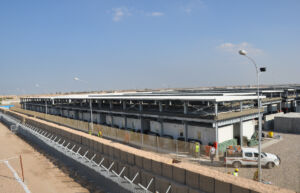
These modular units also support broader settlement development including schools, clinics, kitchens, storage rooms and community facilities built using the same technology. Prefab homes are particularly valuable in regions facing harsh winters, flooding or poor soil conditions where tents quickly deteriorate.
Beyond displacement contexts, modular homes are also applied in rural housing, reconstruction initiatives and social support programs across the region.
Dorce’s Difference/Conclusion
Dorce delivers prefabricated housing solutions that help humanitarian partners transition communities in Northern Syria from vulnerable tent settlements to safe, structured and dignified homes. Each unit is engineered according to international safety, insulation, hygiene and durability standards and produced in factory controlled environments to ensure consistent quality.
With turnkey capability across design, manufacturing, logistics, installation and commissioning, Dorce supports rapid and large scale deployment while minimizing operational complexity for NGOs and donors. Settlement layouts are developed with a strong focus on privacy, accessibility, community safety and long term usability.
By replacing tents with prefab homes, Dorce contributes to a meaningful upgrade in living standards for displaced families. These modular homes are not only physical shelters. They are the foundation for dignity, stability and recovery as communities rebuild their futures in Northern Syria.