
High-Density Refugee Housing: Vertical and Scalable Units for Gaza
High-Density Refugee Housing: Vertical and Scalable Units for Gaza
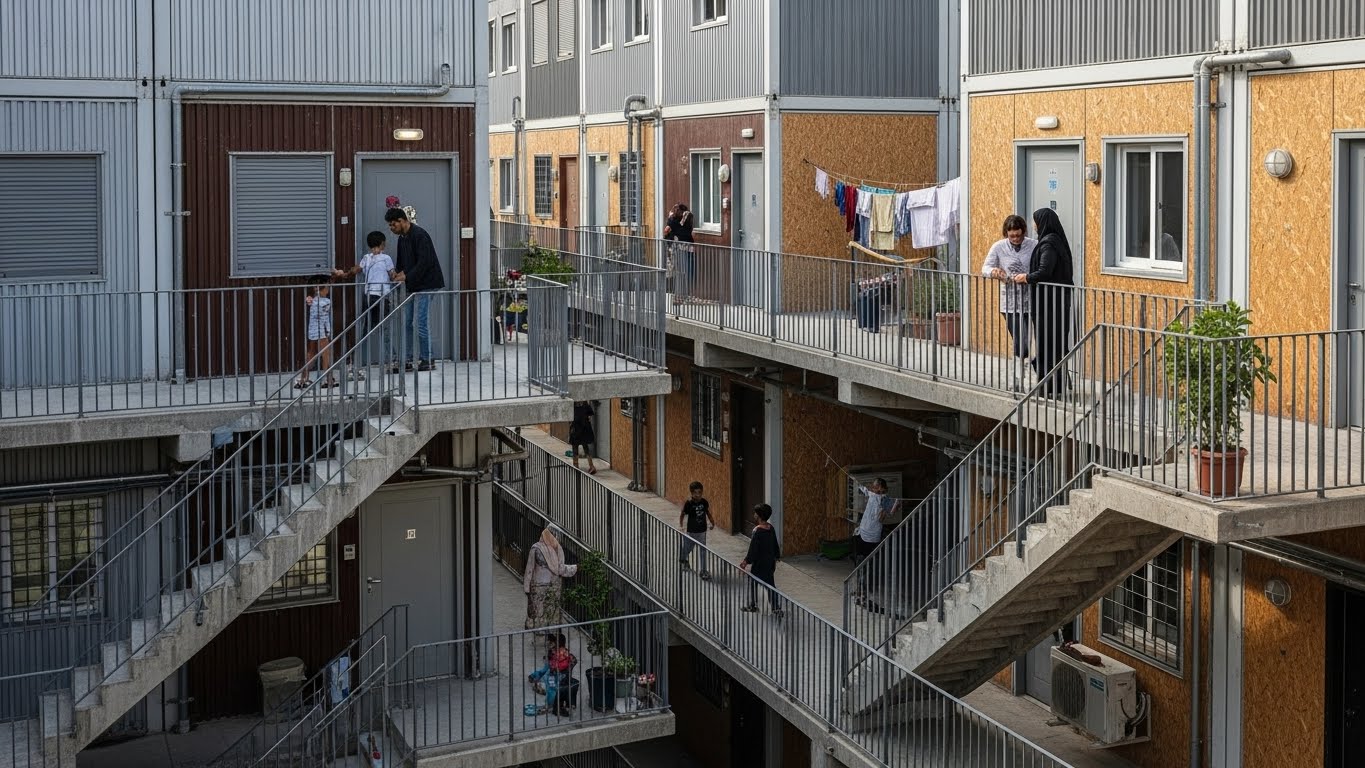
High density refugee housing refers to multi story, modular accommodation systems designed to maximize living capacity within limited land areas. In Gaza, where space constraints and high population density create significant challenges for humanitarian shelter planning, vertical and scalable modular units provide a practical and dignified solution for displaced families.
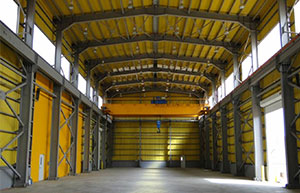
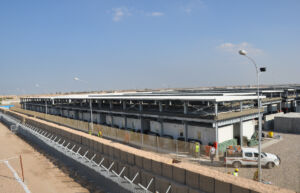
These structures are engineered using prefabricated steel or modular building technology and are produced in controlled factory environments. They can be assembled as stacked or multi level units with safe access routes, proper ventilation, insulation and utilities. The result is a compact, efficient and durable housing model that supports community stability while reducing land pressure on already crowded regions.
Advantages
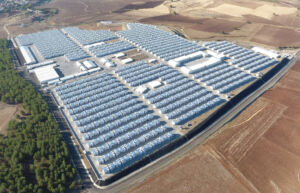
The greatest advantage of high density modular housing is efficient land use. Vertical building solutions allow more families to be accommodated within the same footprint, enabling humanitarian organizations to create structured settlements even where space is extremely limited.
Scalability is another key strength. Units can be added, removed or reconfigured as needs evolve, supporting phased development and long term settlement planning.
Durability and safety are built into the system. Steel based modular structures are designed to withstand intensive use, harsh weather conditions and logistical challenges. Proper insulation, sealed construction and fire safety measures help create healthier and safer environments compared with informal or temporary shelters.
Prefabricated production also ensures predictable quality and fast deployment. Utilities such as water, electricity, HVAC and sanitation can be integrated efficiently across multiple floors, ensuring consistent service delivery within compact settlement layouts.
Usage Areas
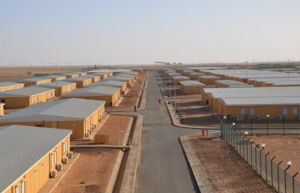
In Gaza, high density modular housing is used in urban and peri urban refugee settlements where land availability is scarce but housing needs are urgent. These vertical units provide family accommodation, accessible housing for vulnerable groups, staff accommodation for humanitarian workers and multi purpose social spaces within the same complex.
They are especially valuable in redevelopment and stabilization zones where infrastructure must be rebuilt while communities continue to live on site. High density modular systems also support transitional housing programs, long term humanitarian settlements and reconstruction activity where rapid, organized housing is required.
Beyond Gaza, similar solutions are applied in crowded urban humanitarian environments across the globe.
Dorce’s Difference/Conclusion
Dorce designs and manufactures high density modular housing systems with a strong focus on safety, comfort, engineering reliability and compliance with international humanitarian standards. Structural design, material selection and connection details are optimized for vertical stacking and multi level use.
With turnkey capability, Dorce manages design, manufacturing, logistics, installation and commissioning as a fully integrated process. This ensures consistent quality, reduced project risk and faster delivery timelines for humanitarian partners operating in complex environments.
By delivering vertical and scalable modular housing solutions for Gaza, Dorce supports the creation of safer, more organized and more dignified communities within limited space. These solutions help humanitarian organizations respond effectively to population pressures while protecting the wellbeing and resilience of displaced families.