
Shelter

What is..?
Shelter refers to safe, secure and protective living spaces designed to provide dignity, privacy and stability for individuals and families in need. In humanitarian, disaster recovery, defense, industrial and remote operations contexts, shelter solutions must be rapidly deployable, durable and capable of supporting healthy living conditions.
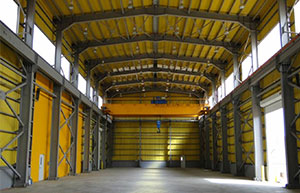
Prefabricated and modular shelter systems are engineered and manufactured in controlled factory environments, then transported to site for fast installation. These shelters can function as family housing, temporary accommodation, workforce lodging, medical units, classrooms or administrative facilities, delivering consistent quality wherever they are needed.
Advantages
Modern modular shelters offer significant advantages in terms of speed, safety and quality. Off site production shortens delivery timelines and reduces the amount of work required in challenging or high risk locations. Factory manufacturing ensures precision, structural integrity and compliance with international standards.
Shelters can be insulated, ventilated and equipped with electrical and mechanical systems to support comfortable and healthy living conditions. They are durable and weather resistant, providing stronger protection than improvised or temporary alternatives.
Modular shelters are also highly flexible. They can be relocated, expanded or reconfigured as needs evolve, creating long term value for humanitarian agencies, governments and private organizations. Environmental impact is minimized through optimized material usage and controlled production processes.
Usage Areas
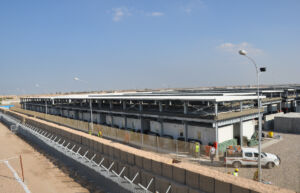
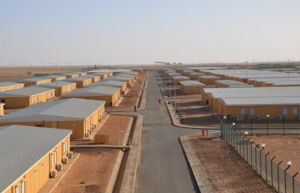
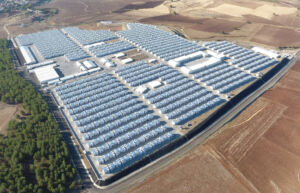
Shelter solutions are used in disaster relief operations, refugee and IDP settlements, conflict and post conflict regions, remote industrial projects, worker accommodation camps, defense missions and community support programs.
They provide safe environments for families, workers, aid personnel and vulnerable groups in regions where permanent infrastructure is damaged, insufficient or not yet available.
Beyond living accommodation, shelter systems can support essential services such as health clinics, schools, canteens, offices, logistics hubs and community facilities.
Dorce’s Difference/Conclusion
Dorce designs and delivers shelter solutions using modular and prefabricated technologies that meet international safety, quality and humanitarian standards. Each unit is engineered for durability, user comfort and efficient deployment, with production carried out in controlled factory environments using certified materials.
With turnkey capability, Dorce manages the full lifecycle including design, engineering, manufacturing, logistics, installation and commissioning. This integrated delivery model ensures consistent performance, reduced project risk and faster mobilization in critical situations.
By combining industrialized construction expertise with a strong commitment to human centered design, Dorce supports the creation of safe, dignified and resilient shelter environments for communities and organizations worldwide.