
Scalable Housing Solutions: Why Dorçe Leads in Displaced Community Infrastructure
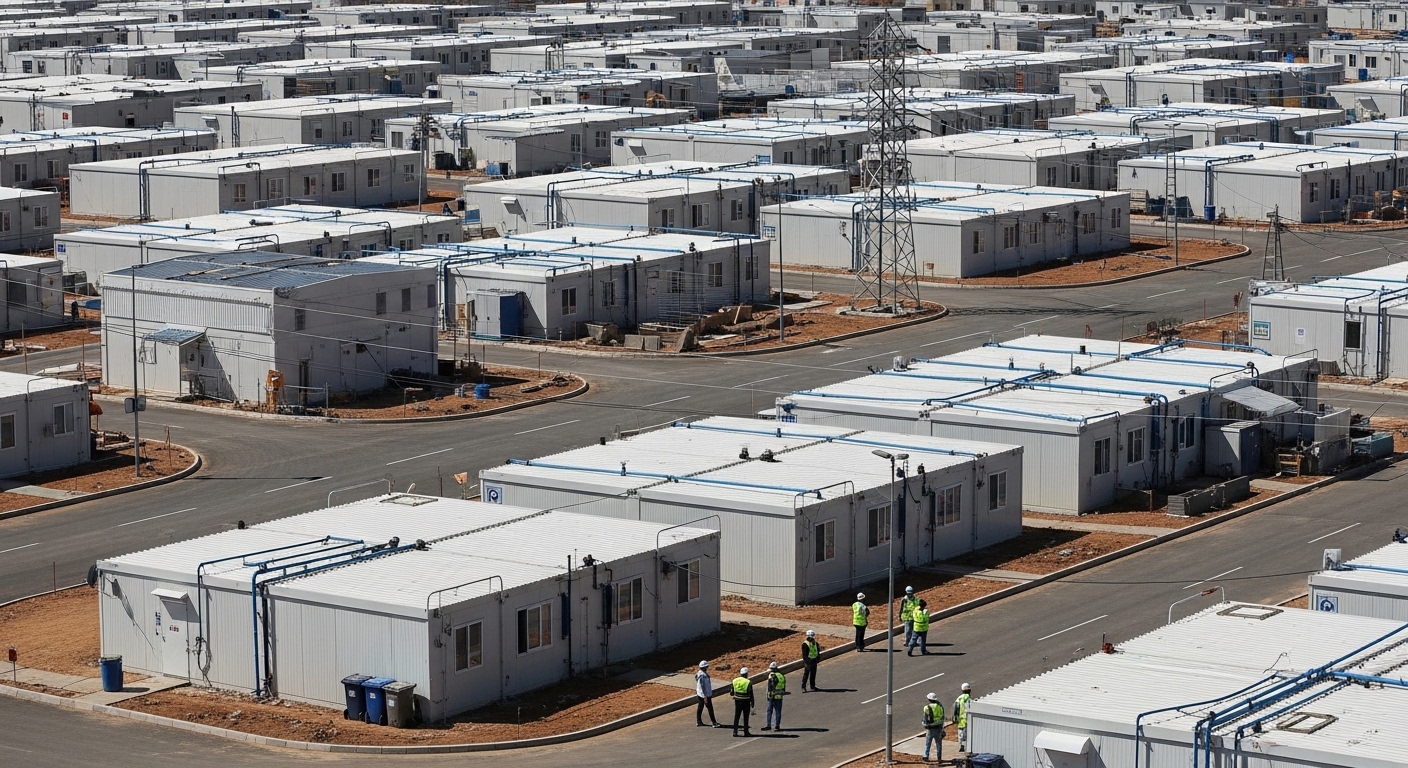
The increasing scale of global displacement has transformed humanitarian response from short-term emergency aid into long-term infrastructure planning. Today, millions of people require not only immediate shelter but also structured, expandable, and sustainable living environments that can evolve over time. This shift has made scalability one of the most critical factors in modern humanitarian housing solutions.
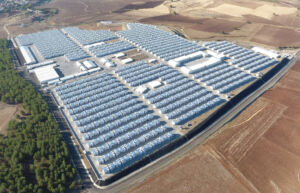
Dorçe addresses this need through modular steel construction systems specifically designed for displaced community infrastructure. By combining industrialized production, rapid deployment, and integrated planning, Dorçe delivers housing solutions that can expand seamlessly from small emergency setups to large-scale settlements supporting tens of thousands of people.
What is Scalable Modular Housing for Displaced Communities
Scalable modular housing refers to prefabricated building systems that can be deployed in phases and expanded over time without disrupting existing infrastructure. These systems are produced in factory environments and transported to site as ready-to-install modules.
Dorçe’s scalable housing approach includes:
• Modular residential units for individuals and families
• Sanitary infrastructure such as WC and shower units
• Healthcare facilities including clinics and field hospitals
• Educational buildings such as schools and training centers
• Administrative and operational support buildings
• Utility systems for water distribution, power generation, and waste management
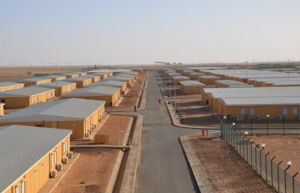
Through modular planning, these components can be arranged into structured settlements that grow according to population needs and project phases.
Advantages
Dorçe’s scalable modular housing systems provide several key advantages for displaced community infrastructure.
• Phased expansion capability
Settlements can begin as small emergency housing clusters and expand into large, organized communities without requiring redesign or relocation.
• Rapid deployment at every stage
Prefabricated modules allow each expansion phase to be implemented quickly, ensuring continuous accommodation capacity.
• Consistent quality across growth phases
Factory-based production ensures that all units meet the same structural and performance standards regardless of project scale.
• Efficient land use and master planning
Modular layouts enable optimized site planning, including roads, utilities, and community spaces.
• Integrated infrastructure systems
Housing, sanitation, healthcare, and education facilities can be deployed together, creating complete living environments.
• Long-term adaptability
Units can be relocated, reconfigured, or repurposed as community needs evolve.
These advantages make scalable modular housing essential for managing large and dynamic displaced populations.
Usage Areas
Scalable modular housing solutions are used across a wide range of humanitarian and development scenarios.
Typical applications include:
• Refugee camps and internally displaced person settlements
• Post-conflict reconstruction and resettlement programs
• Disaster recovery housing initiatives
• Transitional communities evolving into permanent settlements
• Large-scale humanitarian operations requiring integrated infrastructure
In many projects, scalability ensures that infrastructure investments remain relevant as population sizes change and recovery efforts progress.
Dorçe Prefabricated Building and Construction Industry Trade Inc. delivers modular housing systems designed for scalable and sustainable displaced community infrastructure. With extensive experience in large-scale camp construction, advanced prefabrication technologies, and turnkey EPC delivery, Dorçe enables the rapid development of structured settlements worldwide. By combining high-capacity manufacturing, efficient global logistics, and integrated engineering expertise, Dorçe provides reliable housing solutions that support both immediate humanitarian needs and long-term community development.
Tags
Tags